

PTFE, PEEK and metal valve seats are different sealing routes, not a universal ranking from cheapest to strongest. Choose the seat and mating surface as a combination that meets the actual leakage target, pressure-temperature envelope, chemistry, particle exposure and operating duty.
A raw polymer melting point or a metal coating hardness is not a finished-valve rating. The supported construction includes the seat grade, filler, geometry, support, ball or plug surface, packing, seals and actuator load. Changing one material can change several of these limits.
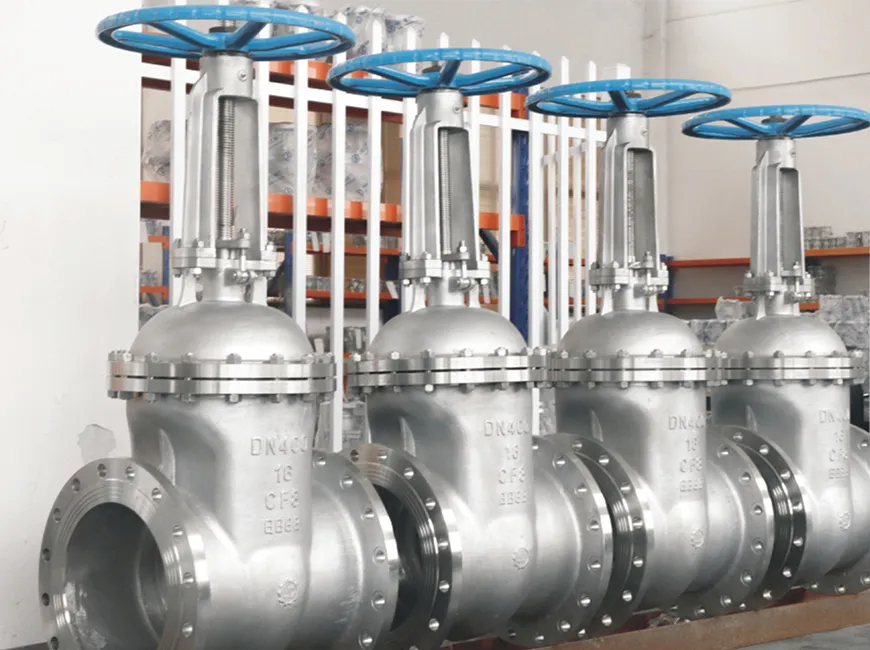
Compare the Sealing Route Before the Material Name
| Seat route | What to investigate | Selection boundary |
|---|---|---|
| Virgin or filled PTFE | Compound, creep/deformation, chemical exposure, support and contact load | Filled PTFE is not one uniform grade; fillers can change compatibility and mechanical behavior |
| PEEK | Specific grade and reinforcement, contact stress, chemical compatibility and cycling | Higher stiffness does not prove longer life or suitability for every hot chemical or abrasive duty |
| Metal seat | Base alloy, hardfacing/coating, mating surface, fit, loading and thermal expansion | A hard surface alone does not establish corrosion resistance, shutoff or resistance to particle damage |

Start With the Required Leakage Test
Specify whether the valve performs isolation or modulation, the shutoff differential pressure, flow direction and allowable leakage under an agreed test procedure. Seat leakage is different from external stem leakage. A quoted leakage class also depends on the standard edition, test medium, temperature, pressure and applicable dimensions; it is not a promise of zero leakage in every operating condition.
A polymer seat may help achieve tight shutoff within a supported construction. A well-designed metal seat may suit duties beyond a particular polymer’s envelope, but neither material name establishes the test result. Confirm the acceptance basis for the exact valve and how cycling, thermal changes or particles affect it.
Use the Whole Configuration’s Pressure-Temperature Limit

Pressure and temperature should be reviewed together for normal service, startup, cleaning and upset cases. Seat stiffness, creep, supporting geometry and contact load matter, while packing, body seals or bearings may set a lower limit than the seat material.
Swagelok’s ball-valve catalogue gives separate construction-dependent rating information for seat and seal combinations. It demonstrates why a polymer property cannot be substituted for an assembly curve; its ratings do not transfer to another supplier’s valve.
Chemistry, Particles and Movement Can Reverse the Choice
Check the actual mixture, concentration, contaminants and cleaning chemicals against every exposed material, including fillers and coating binders. Do not assume that PEEK is universally better than PTFE in corrosive service, or that a metal seat makes the complete valve chemically compatible.
Particles can embed in or cut a polymer surface, score a metal seal, erode a coating or obstruct a narrow throttling passage. Particle size, hardness, loading, settling and the flow path decide which mechanism matters. The slurry control-valve guide separates solids passage, pressure-drop erosion and installed control from material hardness.
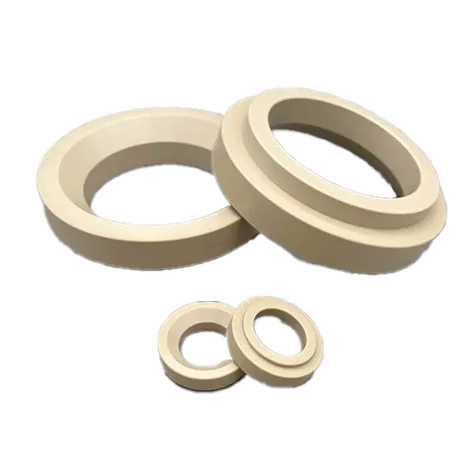
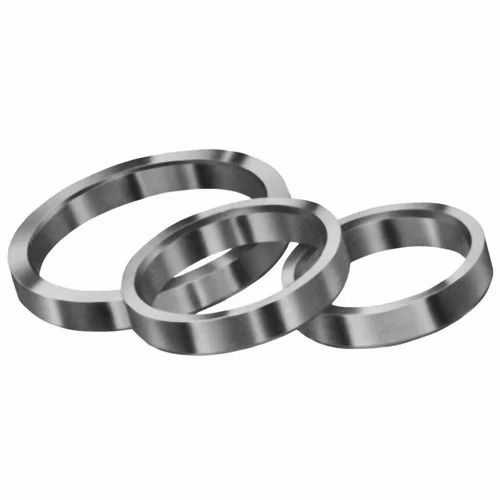
For metal seats, review the substrate, coating process, adhesion, surface finish, matched geometry and repair route. A hardness number without its test method and material system cannot predict wear life. Differential thermal expansion and repeated seat contact also affect the sealing pair.
Record the Complete Sealing Combination
| Input or interface | Record for comparison | Why it changes the decision |
|---|---|---|
| Duty and acceptance | Isolation/modulation, leakage method and limit, shutoff differential and direction | Defines contact load and the performance that must be demonstrated |
| Exposure cases | Matched pressures/temperatures, chemistry, cleaning and pressure reversal | Screens the rated envelope and compatibility of all exposed parts |
| Seat and mating part | Exact compound/filler or metal/coating, geometry, support and surface finish | Defines the actual sealing system rather than a generic PTFE/PEEK/metal label |
| Solids and cycles | Particle distribution, hardness, concentration, deposits, stroke frequency and operating travel | Identifies cutting, embedding, plugging, fatigue or localized erosion |
| Actuator and assembly | Breakaway/running/seating load, minimum supply and relevant temperature | Checks the package can move and close after the seat change |
| Qualification and repair | Configuration-specific rating, agreed tests, inspection and replacement parts | Prevents a component datasheet or successful cold test becoming an unsupported whole-duty claim |
Compare Candidates Under the Same Duty
A useful comparison offers two or more identified constructions for the same operating cases and acceptance criterion, with assumptions and exclusions visible. Check the installed control response separately from shutoff; an ordinary isolation ball valve is not automatically a modulating control valve.
Changing from PTFE to PEEK or metal may require a different seat support, mating finish, seal set or actuator. Identify the compound and reinforcement explicitly, then use available valve documents for the drawing and configuration review. Keep any missing rating, compatibility or leakage evidence open before approving the replacement.