

For process-plant drawings, valve lists and equipment documents, PSV commonly means Pressure Safety Valve. It is an automatic, reclosing pressure-relief device that responds to abnormal overpressure by opening a discharge path, then closes after the pressure falls.
The abbreviation identifies a protection function, not one universal valve construction. A project may use PSV for a safety valve, a safety relief valve or a broader pressure-relief function. The project legend and valve datasheet therefore take priority over the letters alone. The sections below use PSV in this process-plant and piping sense.
What Does a PSV Valve Do?

A PSV stays closed while the protected system is within its intended pressure range. If an abnormal event drives inlet pressure to the specified set pressure, the device opens so fluid can leave the protected equipment or piping.
The operating states are:
- Normal operation: the valve remains closed while inlet pressure is below the set pressure.
- Set pressure reached: the valve opens a discharge path to limit abnormal overpressure.
- Pressure falls: the loading mechanism moves the disc back towards the seat and the valve recloses.
Its purpose is to protect against abnormal overpressure, not to hold process pressure at a normal operating setpoint. The phrase “PSV valve” is common even though the final V already means valve. A fuller guide to how a pressure relief valve works explains the opening, relieving and reseating sequence in more detail.
How Does a PSV Open and Reclose?
In a direct spring-loaded PSV, the spring presses the disc against the seat while inlet pressure creates an opposing force. When inlet pressure reaches the specified set pressure under the defined conditions, the disc lifts and creates a flow path from the protected system to the valve outlet.

A pilot-operated design uses a smaller pilot valve to control the pressure that holds the main valve closed. When the pilot responds to inlet pressure, it changes that loading pressure so the main valve can open. The protection function is similar, but the loading mechanism is different.
As system pressure falls, the loading mechanism moves the disc back towards the seat. The valve recloses below its opening pressure. The difference between the opening and reseating pressures is called blowdown. The required blowdown depends on the device design, service and governing requirements.
PSV vs PRV: Why the Abbreviations Are Ambiguous
PRV does not identify one valve function until the abbreviation is expanded. In pressure-protection documents it may mean Pressure Relief Valve. In process control or utility systems it may mean Pressure Reducing Valve. These devices do not perform the same service.
| Abbreviation | Possible expansion | Function |
|---|---|---|
| PSV | Pressure Safety Valve | Abnormal-overpressure protection; confirm the exact device category from the project documents |
| PRV | Pressure Relief Valve | Automatic, reclosing protection against abnormal overpressure |
| PRV | Pressure Reducing Valve | Normal-service regulation of downstream pressure |
A project may also define PSV as Process Safety Valve. That is another reason to check the project legend rather than treating the letters as a complete specification.
The National Board pressure relief device guide describes a pressure relief valve as a device for emergency or abnormal overpressure that is designed to reclose. It also separates safety valves, relief valves and safety relief valves by their opening characteristics and typical service. A statement that PSV and PRV are different is incomplete until PRV has been expanded and the project terminology is known.
Watch our detailed explainer on the difference between PSV vs. PRV—understand how each works, their unique applications, and why choosing the right one matters for industrial safety.
Source:HardHat Engineer
What Does a PSV Tag Mean on a P&ID?
On a P&ID, a tag such as PSV-101 normally identifies a specific pressure-protection function and connects the symbol to the project legend, instrument index or valve list. The pressure relief valve symbol guide shows the common symbol, while the broader guide to valve symbols in P&IDs explains why a tag must be read with its project records.
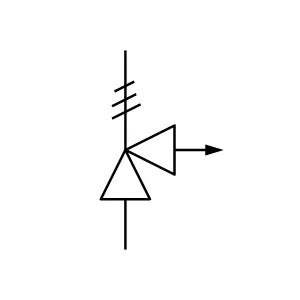
The tag alone does not establish:
- the exact valve construction or loading arrangement;
- the set pressure, rated capacity or orifice;
- the connection size, pressure rating or materials;
- the certification, inspection or test requirements.
Those details belong in the approved valve datasheet and pressure-relief design documents. If the tag, symbol and description conflict, use the project legend and approved datasheet rather than inferring the valve specification from the letters alone.
Context can identify the likely meaning of PSV, but it cannot finish the valve specification. Read the tag with the project legend, datasheet and pressure-relief design documents. The MacoTango safety relief valve product page shows one available product form, but suitability still depends on the project duty and required evidence.