

Control Valve Solutions for Difficult Oil & Gas Process Duties
Changing production rates, high pressure ratios, gas noise, cavitation,
flashing, entrained solids and demanding shut-off conditions can make a
catalog valve unsuitable even when the line size and pressure class
appear correct.
MacoTango helps engineers and industrial buyers compare the valve body,
trim, materials, actuator and accessories against the actual duty. The
goal is to identify a configuration that can be technically reviewed
before the valve package is approved.
See the selection logic, actual product configurations and evidence examples used to support the proposed direction.

Oil & Gas Control Valve Problems—and How We Address Them
Oil and gas control valves are rarely selected correctly from line size and pressure class alone. We begin with the failure mode and the complete operating envelope, then review the body, trim, materials, packing and actuator as one control-valve assembly.

High-Pressure Gas Letdown: Passing the Flow Is Only the First Check
A high-pressure gas control valve may pass the required maximum flow and still create unacceptable aerodynamic noise, vibration or outlet velocity. At a high pressure ratio, gas can reach choked flow, while an oversized valve can force normal operation too close to the seat and make small flow corrections difficult to control.
Selection response: Check gas composition, molecular weight or density, specific-heat ratio, compressibility, inlet and outlet pressure, temperature and flow for every credible case. Confirm required Cv versus travel, evaluate gas choking with xT, and consider staged low-noise trim only when the gas is clean enough for the minimum flow passages.
High-Pressure Control Valve Selection Guide
Separator Level Control: Flashing, Erosion and Unstable Low Travel
Separator letdown can combine a large pressure drop with changing liquid composition, dissolved gas and entrained sand. Cavitation and flashing are different damage mechanisms, and a trim intended to suppress cavitation may not remain reliable in persistent flashing or solids-bearing service.
Selection response: Separate clean-liquid, flashing and solids-bearing cases before selecting a separator level control valve. Review vapor pressure, gas breakout, particle size and concentration, minimum passage size, Cv versus travel, seat-edge velocity and the downstream erosion path. The effect of discharge velocity should also be checked using the control valve outlet velocity review; use a more open flow path when narrow passages create plugging or wear risk.
Oil & Gas Control Valve Application Guide
Compressor Anti-Surge Recycle: Fast Stroke Time Does Not Prove Dynamic Control
An anti-surge valve must provide emergency recycle capacity quickly, but full-stroke time alone does not prove stable small-signal response. Packing friction, actuator sizing, positioner selection and tuning, air-supply restrictions and accessory volume can introduce deadband, overshoot or delayed response.
Selection response: Treat anti-surge duty as a project-engineered valve package. Check Cv and travel at normal recycle, start-up and emergency conditions, evaluate actuator margin at minimum available supply pressure and maximum differential pressure, and verify loaded response, deadband, hysteresis, overshoot, tubing, accessories and fail action on the assembled package.
Control Valve Deadband Guide
High-Pressure Liquid Injection: Low Flow Can Be the Damaging Condition
Water, glycol, methanol and chemical injection valves often combine a high pressure drop with a relatively small required flow. A high-pressure liquid control valve selected only for maximum capacity may operate too close to the seat at normal or minimum flow, reducing control resolution and increasing local cavitation or erosion risk. Outlet-region velocity should also be reviewed where the pressure drop creates a concentrated wear path; see the control valve outlet velocity guide.
Selection response: Check liquid sizing with FL, vapor pressure and critical-pressure effects at minimum, normal and maximum flow. Compare required Cv with Cv versus travel, verify the minimum controllable opening, and distinguish clean cavitation-prone liquid from contaminated service before choosing staged pressure reduction or a more open flow path.
Cavitation & Noise Trim Selection Guide
Sour, Toxic or Volatile Media: The Complete Sealing System Matters
External leakage risk is not determined by body material or seat leakage class alone. H2S, water, chlorides, temperature, pressure cycling and depressurization can affect the body, trim, stem, bellows, packing, gasket, hardfacing and bolting in different ways, while excessive packing friction can also reduce control quality.
Selection response: Select a sour service control valve from the complete fluid composition, H2S partial pressure, water phase, chloride level, temperature range, pressure cycles and required emissions standard. Use bellows sealing or low-emission packing only after pressure, temperature, travel and cycle limits have been verified, with traceable material and test requirements defined in the project specification. The required datasheet, material, leakage and test information can be organized with the control valve specification checklist.
Control Valve Stem Leakage GuideOil & Gas Operating Scenarios and Recommended Control Valve Families
The products below are engineering starting points, not automatic selections. Final valve size, trim, materials, packing, flow direction, actuator and accessories must be confirmed from the process datasheet and every credible operating case.
Engineering starting point: Match the operating scenario and expected failure mechanism first, then verify the complete valve and actuator package against the actual process data before technical approval.
Multi-Stage Low-Noise Cage-Guided Globe Control Valve
Use this direction when: Clean natural gas, fuel gas or recycle gas has a high pressure ratio and a defined aerodynamic-noise limit.
Selection response: Use staged gas pressure reduction only after checking all flow cases, required Cv versus travel, xT, predicted sound pressure, outlet velocity and the shut-off differential pressure.
- Verify before selection: Gas composition, particle or liquid carryover, pipe size, minimum trim passage and actuator response. Narrow low-noise passages should not be assumed suitable for wet or contaminated gas.
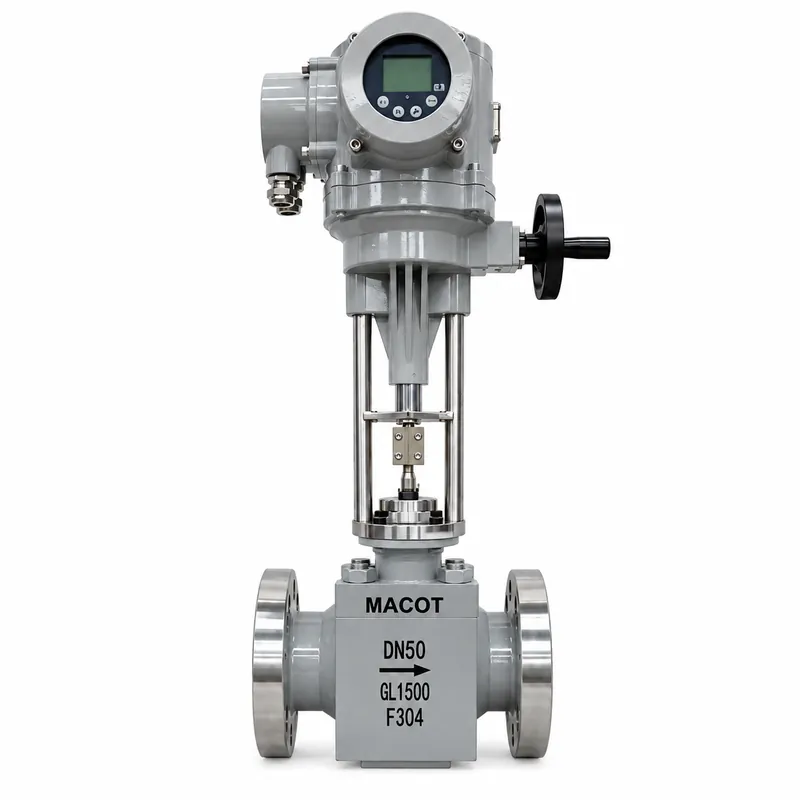
Multi-Stage Low-Noise Cage-Guided Globe Control Valve
For clean high-pressure gas letdown where staged pressure reduction and aerodynamic-noise control are required.
High-Pressure Liquid Injection or Condensate Letdown
Use this direction when: Clean water, glycol, methanol, condensate or chemical service has a high liquid pressure drop and cavitation is the primary threat rather than persistent flashing or solids.
Selection response: Start with staged pressure reduction when the complete differential pressure should not be taken at one throttling point. Where severe-service risk is lower but plug force is significant, compare a balanced cage-guided globe valve.
- Verify before selection: Vapor pressure at operating temperature, FL, incipient and fully choked liquid conditions, minimum/normal/maximum Cv and travel, fluid cleanliness, minimum passage size, seat leakage and the start-up pressure profile. Balancing does not by itself make a valve anti-cavitation.
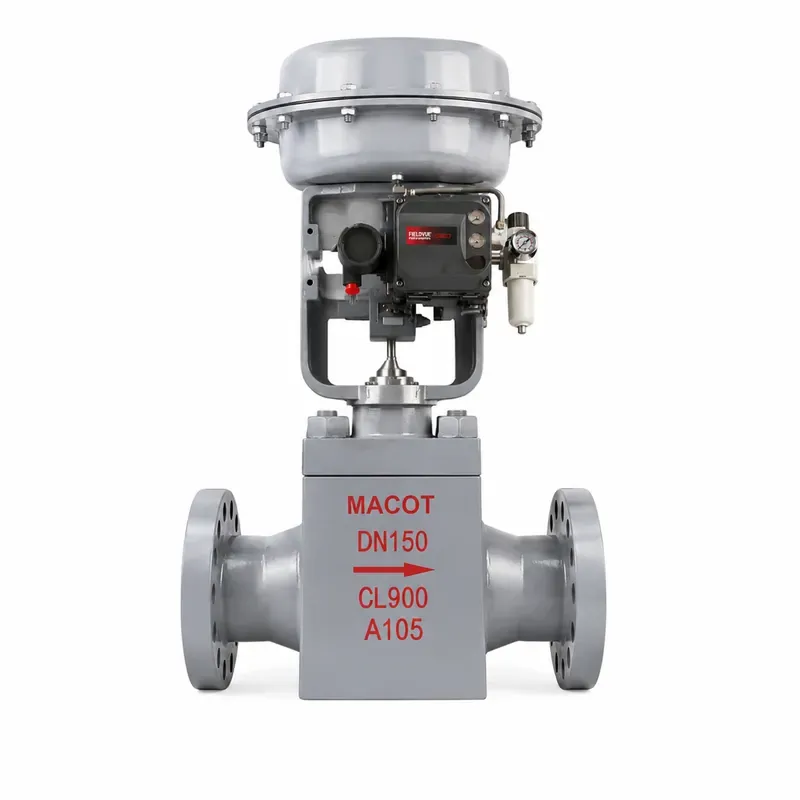
Multi-Stage High-Pressure-Drop Globe Control Valve
A staged pressure-reduction starting point for clean cavitation-prone liquid service.
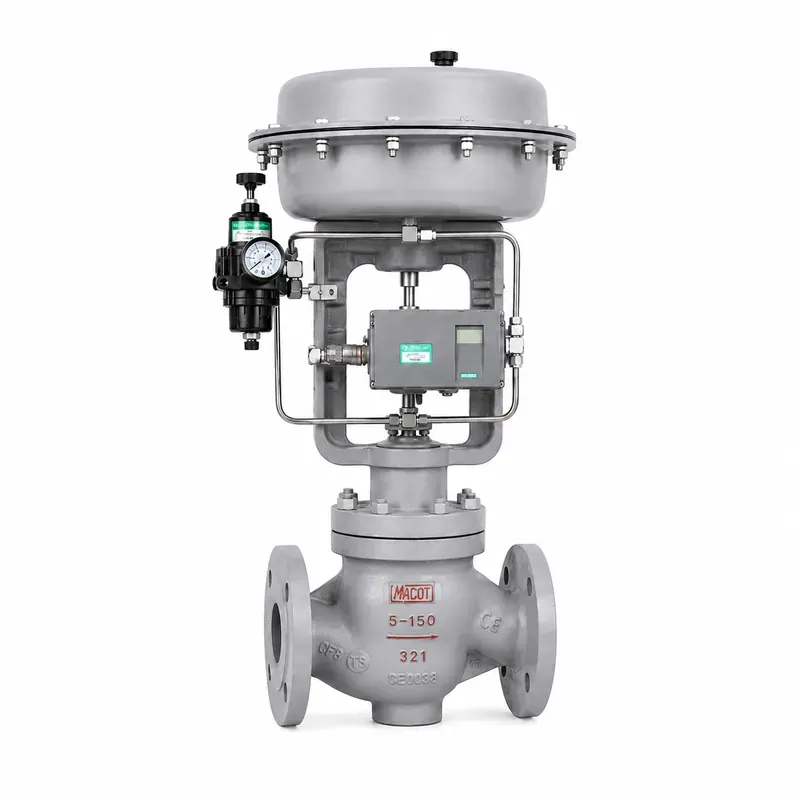
Balanced Cage-Guided Globe Control Valve
For cleaner liquid duties where differential force makes actuator load an important part of selection.
Separator Letdown with Flashing or an Erosive Discharge Path
Use this direction when: A high-pressure separator outlet is expected to remain partly vaporized downstream, or when viscous or solids-bearing modulation makes narrow multi-stage passages unreliable.
Selection response: Review forged angle-body geometry for persistent flashing and inspectable erosion management. Where solids or viscosity dominate, evaluate a V-port control ball valve as a more open-flow-path alternative.
- Verify before selection: Flashing calculation, vapor fraction, sand or particle size and concentration, velocity through the seat and outlet, Cv-versus-angle characteristic, torque, seat material, shut-off direction, erosion allowance and replaceable wear parts.
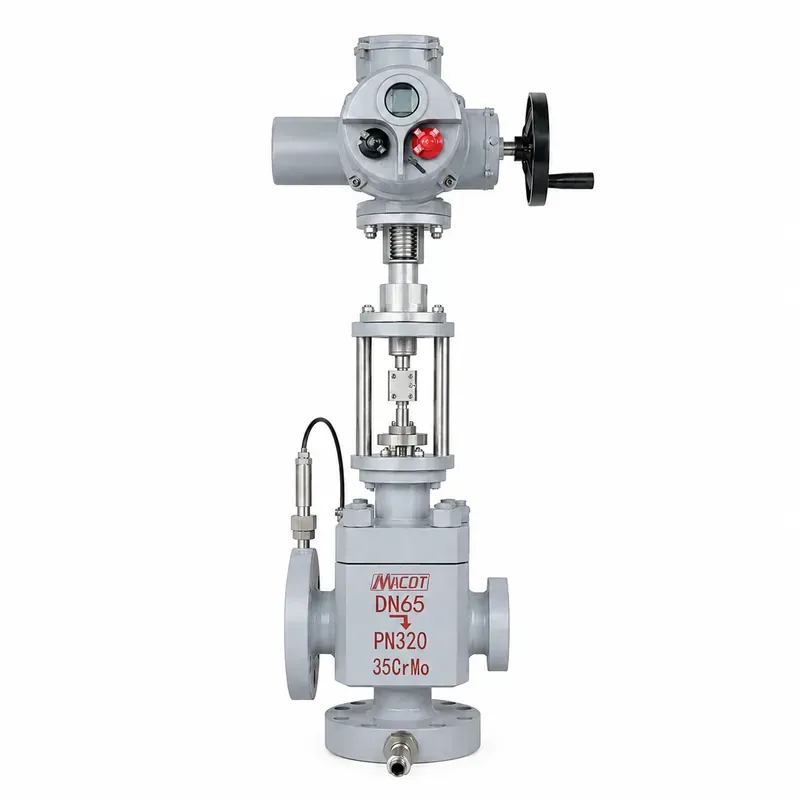
Forged High-Pressure Angle Control Valve
An angle-body starting point for separator letdown where flashing or an erosive discharge path must be managed.

V-Port Control Ball Valve
An open-flow-path alternative to evaluate for compatible viscous or solids-bearing modulation.
General Clean Flow, Pressure and Separator-Level Control
Use this direction when: Clean oil, condensate, produced water or utility media needs stable throttling and shut-off at a moderate pressure drop.
Selection response: Start with a top-guided single-seat globe control valve. If differential force would make an unbalanced plug require an unnecessarily large actuator, compare a balanced single-seat cage-guided design.
- Verify before selection: Required Cv at minimum, normal and maximum flow, installed travel range, inherent and installed characteristic, shut-off differential pressure, permissible leakage, balance-seal compatibility, packing friction and actuator margin.
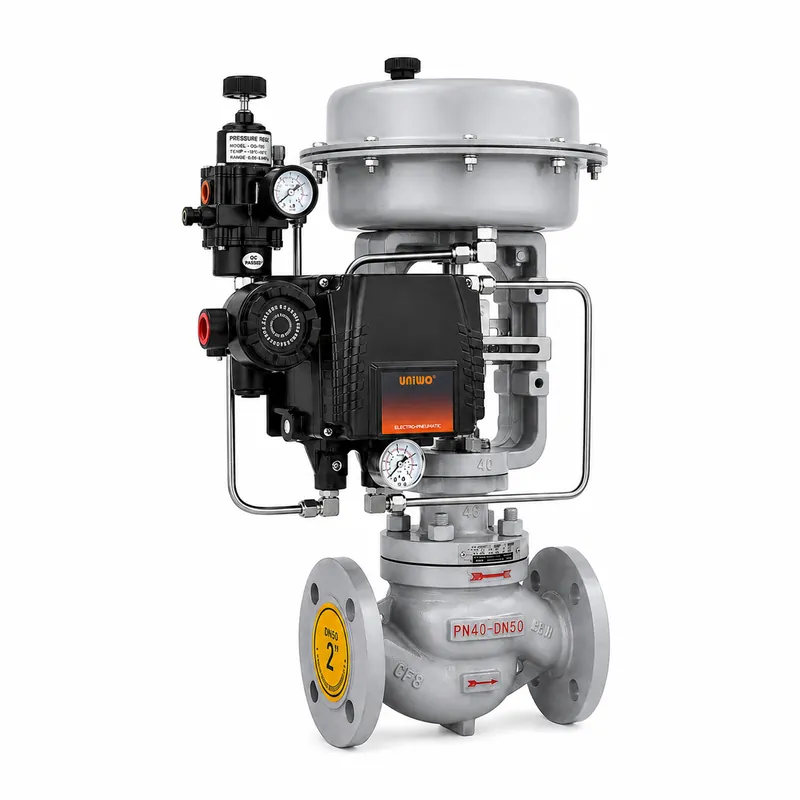
Top-Guided Single-Seat Globe Control Valve
A straightforward starting point for clean oil, condensate, produced water and utility throttling.
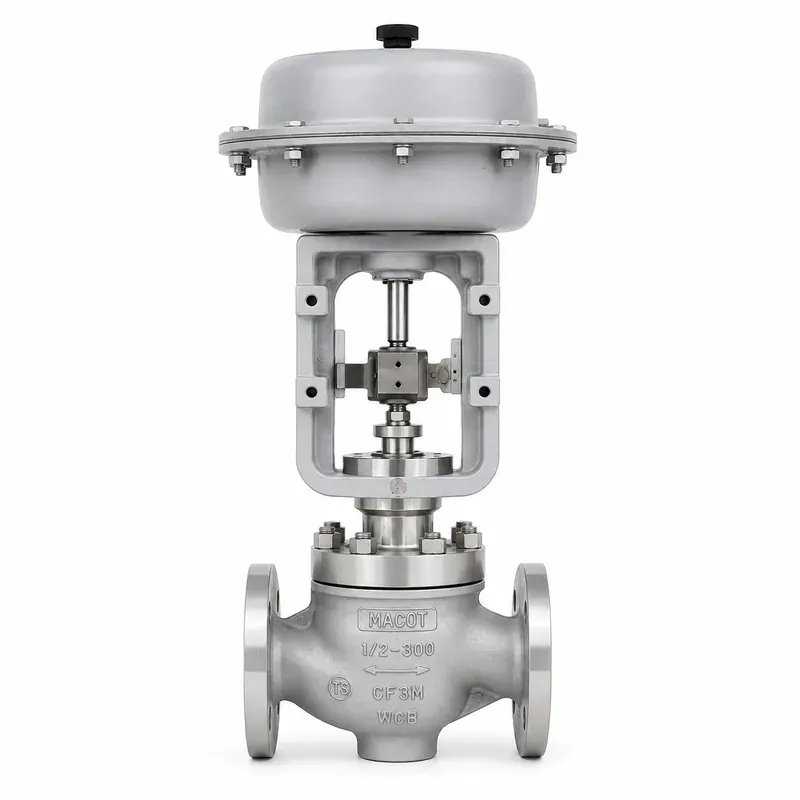
Balanced Single-Seat Cage-Guided Globe Control Valve
For clean modulating service where differential force makes actuator sizing a key selection constraint.
Small-Flow Chemical, Methanol or Corrosion-Inhibitor Injection
Use this direction when: A small line and low required Cv make a purpose-sized control valve preferable to forcing a larger standard valve to regulate in the first few percent of travel.
Selection response: Use a small-bore single-seated globe control valve as the starting point, then confirm that the installed pressure profile still provides stable low-flow control.
- Verify before selection: Minimum and maximum required Cv, actual Cv-versus-travel data, minimum stable opening, installed rangeability, cavitation at low flow, trim orifice size, fluid cleanliness, seat leakage and stem-friction effects.
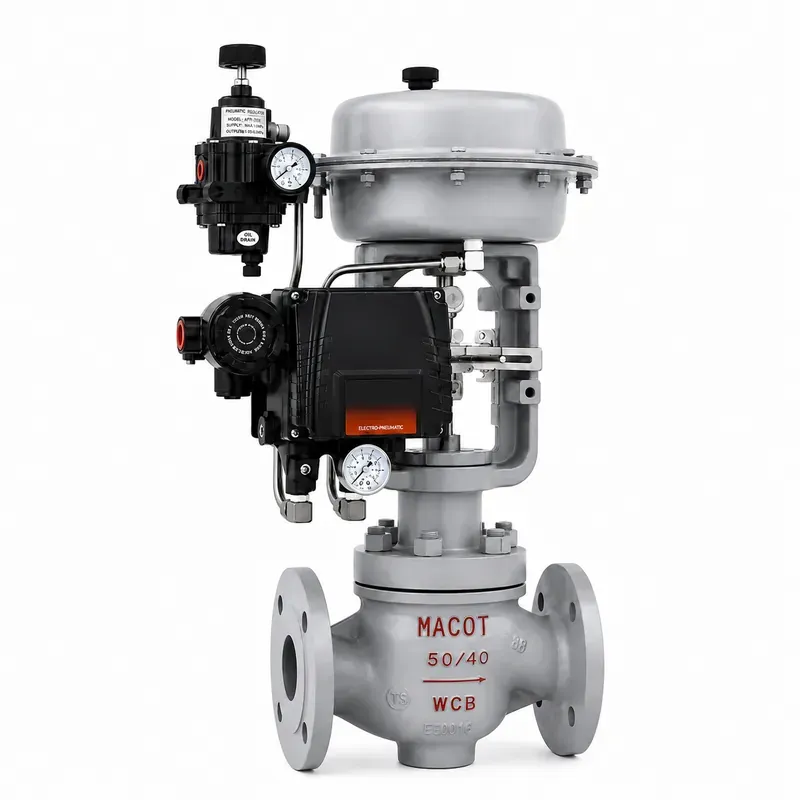
Small-Bore Single-Seated Globe Control Valve
For small-flow chemical, methanol or corrosion-inhibitor injection where verified low-flow controllability is required.
Sour, Toxic or Volatile Process Media
Use this direction when: Stem leakage is the dominant hazard and the complete wetted assembly must be reviewed for sour, toxic or volatile process media.
Selection response: Evaluate a bellows-sealed globe control valve as a conditional sealing option only when the bellows and backup packing can be qualified for the specified medium, pressure, temperature, stroke and cycle life.
- Verify before selection: Wetted-material compatibility, bellows material and design pressure, temperature range, maximum travel, predicted cycles, torsion protection, backup packing, leak detection, shut-off leakage and the applicable fugitive-emission test.
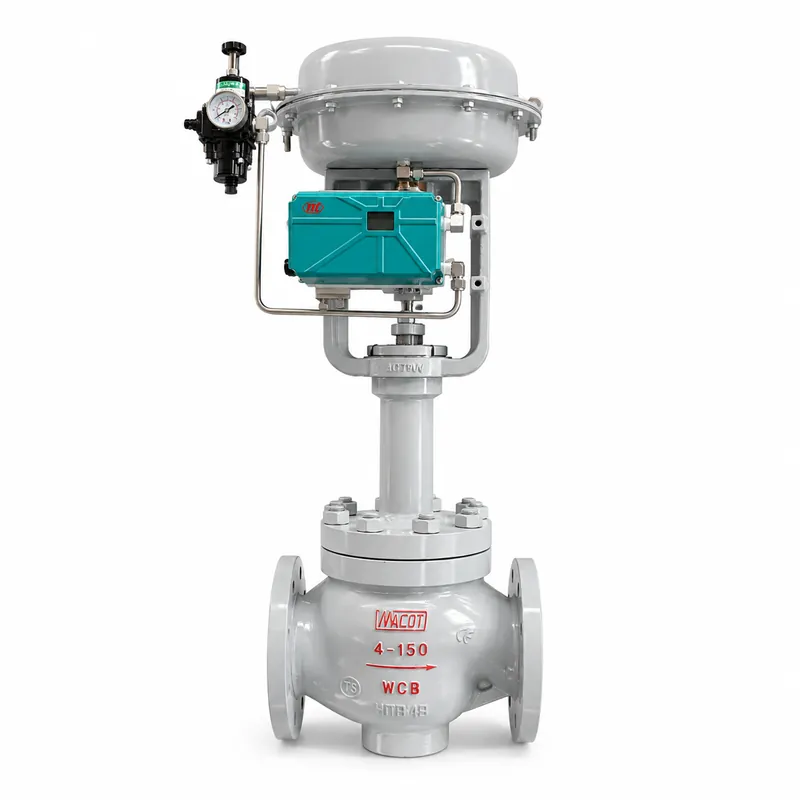
Bellows-Sealed Globe Control Valve
A conditional sealing option for sour, toxic or volatile media when bellows limits and backup packing are fully qualified.