

Power Plant Control Valves for Feedwater, Steam and Condensate
A valve that works at full load may cavitate at startup, leak after repeated cycling or control poorly at low flow. MacoTango helps compare the valve, trim and actuator against the actual operating cases.
Review valve selection for feedwater, steam and condensate across start-up, normal operation and shutdown.

Power Plant Control Valve Problems—and How We Address Them
Power-plant control valves face very different conditions at start-up, low load, full load and trips. We review Cv, travel, pressure drop, temperature, shutoff and actuator force across the complete operating envelope—not just one design point.

Feedwater Control Becomes Unstable Between Start-Up and Full Load
A valve sized only for full load may be oversized at start-up and low load, forcing normal control close to the seat and causing hunting or poor drum-level response. It must still provide full-load capacity and shut off at the maximum differential pressure.
Selection response: Size start-up, minimum, normal and maximum cases separately. Check Cv versus travel and the installed characteristic; if normal operation stays too close to the seat, reduce trim capacity or compare separate start-up and main-feedwater duties. Use pressure-balanced trim only when actuator-force reduction is needed. See the globe control valve selection guide.
Power Plant Control Valve Applications & Selection Notes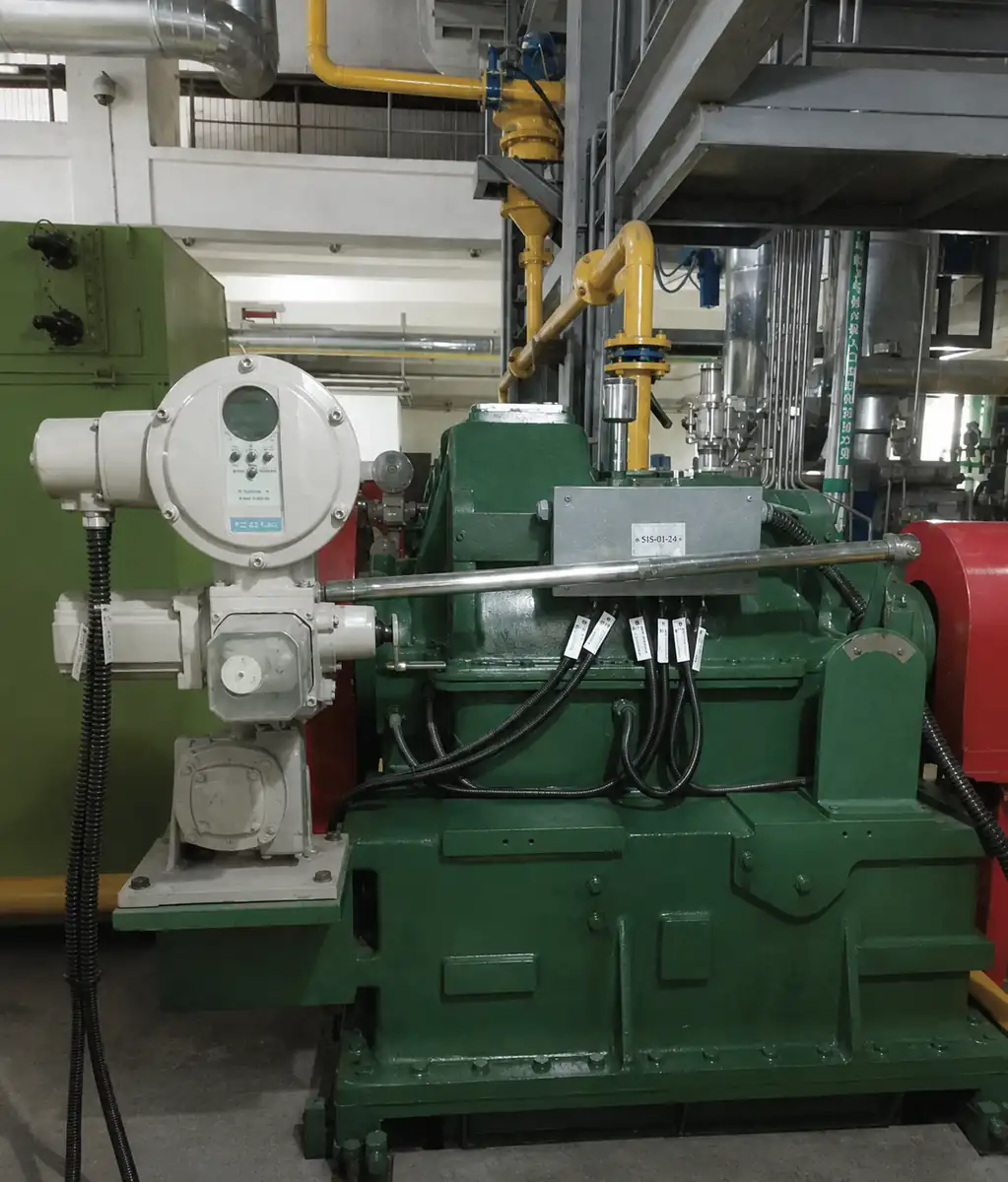
Boiler Feedpump Minimum-Flow Recirculation Damages the Trim and Seat
Hot high-pressure water, low flow and a large pressure drop can cause liquid choking, cavitation, vibration and recurring trim or seat erosion—especially when the valve throttles close to the seat.
Selection response: Confirm whether the duty is cavitating or flashing, then check pressure profile, outlet velocity, minimum passage, water cleanliness, flow direction, leakage and actuator thrust. For clean water, staged pressure reduction can split the drop, but stage count must follow the hydraulic calculation. See flashing and cavitation in control valves and trim options for cavitation and noise.
Flashing & Cavitation in Control Valves
Spray-Water Control Is Inaccurate at Low Boiler Load
At low boiler load, required Cv can be very small, so an oversized spray-water valve operates near the seat with poor resolution and repeatability. Seat leakage or excessive pressure drop can further disturb steam-temperature control.
Selection response: Compare minimum, normal and maximum flow and expected travel. Use a purpose-sized small-bore trim for genuinely low Cv, or a larger top-guided valve when capacity requires it. Also verify nozzle pressure, cavitation and leakage. Valve Cv alone does not confirm the complete desuperheating system. See the high-pressure control valve selection guide.
High-Pressure Control Valve Selection Guide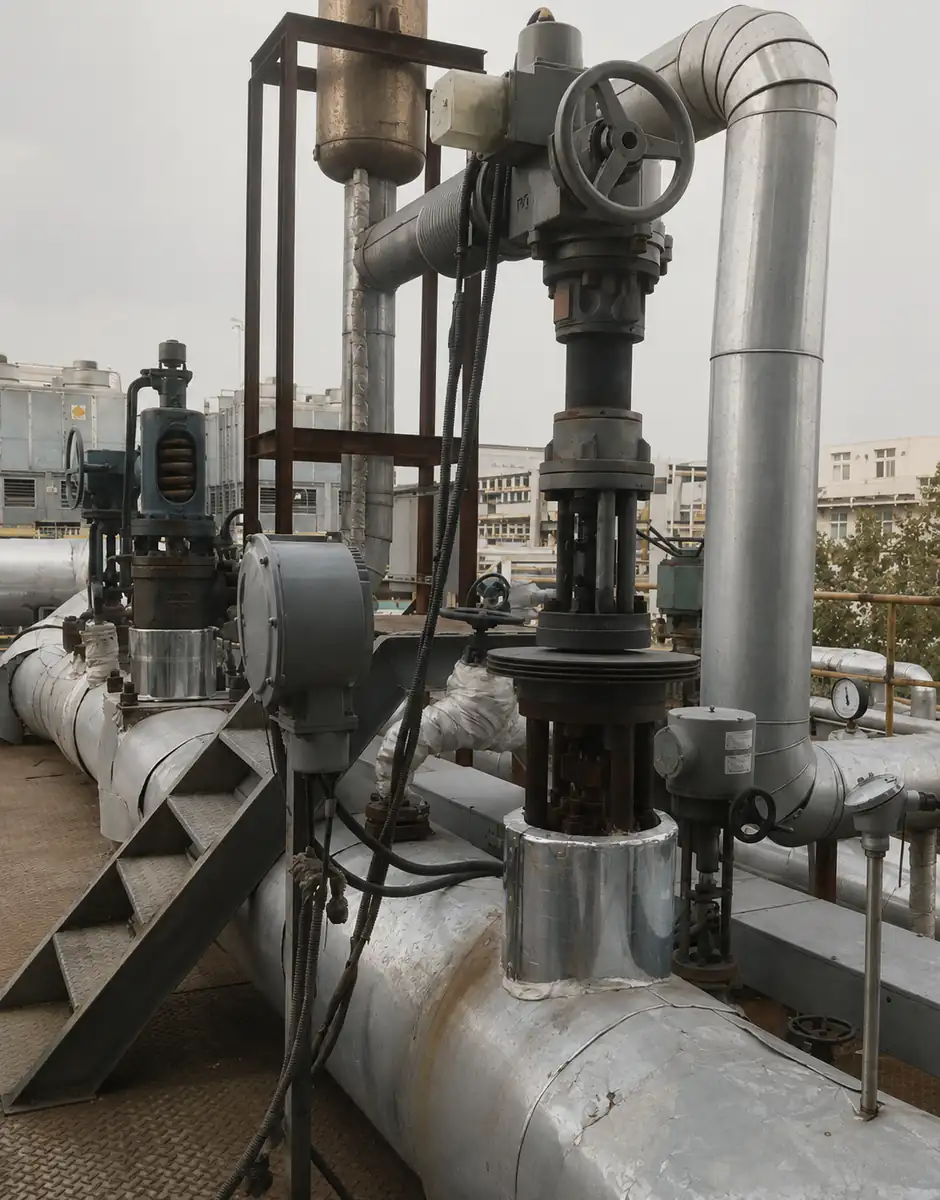
Steam Letdown, Start-Up Vent or Bypass Service Produces Excessive Noise and Vibration
High pressure-ratio steam letdown can choke and create high jet velocity, noise and vibration. Oversizing hurts low-travel control, while undersizing can leave inadequate capacity during start-up or load-rejection cases.
Selection response: Use the actual steam state, pressures, temperature and mass flow for all operating cases. Where noise controls the design, staged low-noise trim may help, but final selection must still check predicted noise, outlet velocity, pipe geometry, shutoff differential pressure and actuator response. Read the choked-flow explanation and control valve outlet-velocity guide.
Steam Control Valve Sizing & Selection Guide
Heater Drains and Hot Condensate Erode the Valve Outlet
Hot condensate near saturation may cavitate or flash as pressure falls. Cavitation mainly attacks the trim; persistent flashing can erode the valve outlet and downstream pipe, so the two mechanisms require different decisions.
Selection response: Compare vapour pressure with the pressure profile. Multi-stage trim can help a cavitating-liquid duty, but persistent flashing also requires outlet-area, flow- direction, material, hardfacing and downstream-velocity review. Confirm normal and upset conditions before selection. See flashing and cavitation in control valves.
Cavitation & Noise Trim Options
Thermal Cycling, Friction or Insufficient Actuator Thrust Causes Leakage and Slow Response
Even when body pressure-temperature rating is acceptable, thermal growth, packing friction and heat exposure can still cause binding, leakage or slow response. Actuator margin can also disappear at minimum air supply or higher differential pressure.
Selection response: Check continuous and transient temperatures, bonnet and packing limits, shutoff differential pressure, minimum air pressure, stroke time and fail action. Verify actuator thrust through the full stroke; a positioner cannot correct a binding trim or an undersized actuator. See the pneumatic actuator sizing guide.
High-Temperature Control Valve Selection GuidePower Plant Operating Scenarios and Recommended Control Valve Families
These valve families are engineering starting points for power-plant duties. Final size, trim, materials, leakage class, actuator and accessories must be confirmed from the actual operating cases.
Engineering starting point: Check the complete operating envelope: the governing capacity, cavitation or noise, shutoff differential-pressure and minimum-control cases may be different.
Main Feedwater Start-Up and Load Regulation
For clean feedwater with moderate pressure drop, start with a top-guided single-seat globe control valve for stable throttling and defined shutoff.
If differential force would make the actuator unnecessarily large, compare a balanced single-seat cage-guided design.
- Verify before selection: Start-up, minimum, normal and maximum flow and pressure; temperature; Cv versus travel; leakage class; shutoff differential pressure; minimum air pressure and usable travel.
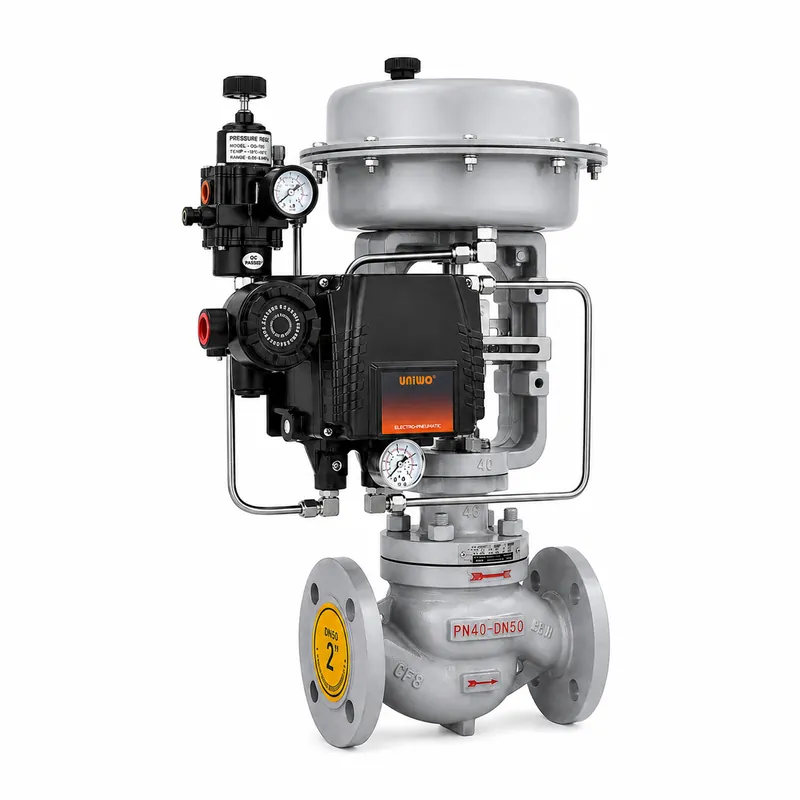
Top-Guided Single-Seat Globe Control Valve
Stable throttling and defined shutoff for clean feedwater.
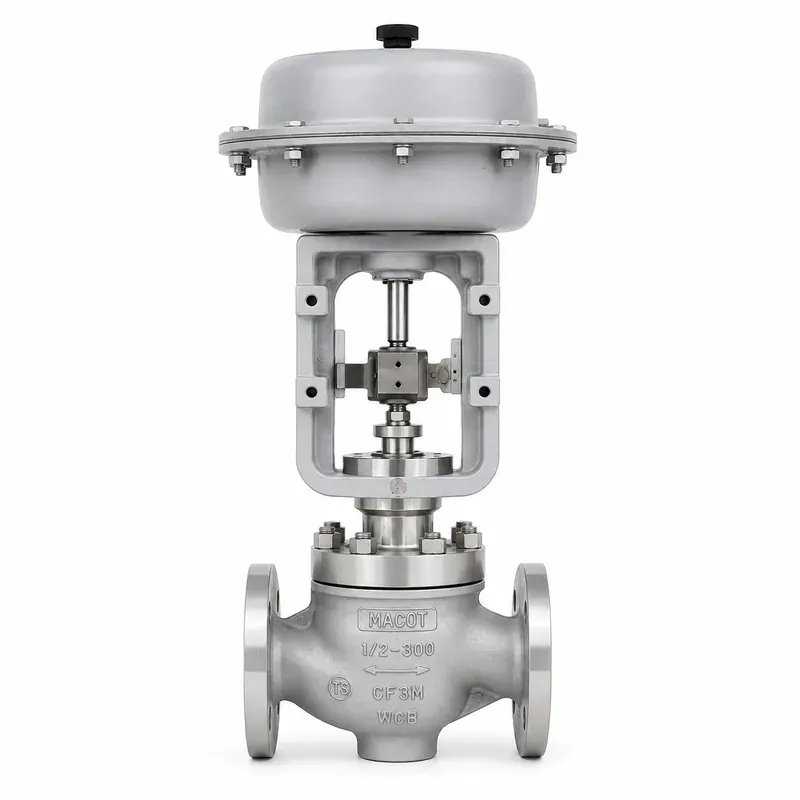
Balanced Single-Seat Cage-Guided Globe Control Valve
Balanced option for higher differential-force feedwater duty.
Boiler Feedpump Minimum-Flow Recirculation
For clean high-pressure water where cavitation risk justifies staged pressure reduction, start with a multi-stage high-pressure-drop globe control valve.
Stage count must follow the valve-specific hydraulic calculation—not pressure class or a fixed rule. Where the required pressure class, size or trim arrangement falls outside the first product family, compare the dedicated high-pressure family.
- Verify before selection: Water temperature and vapour pressure; pump and downstream pressure; minimum flow; choking/cavitation; stage pressure distribution; minimum passage; outlet velocity; leakage and actuator thrust.
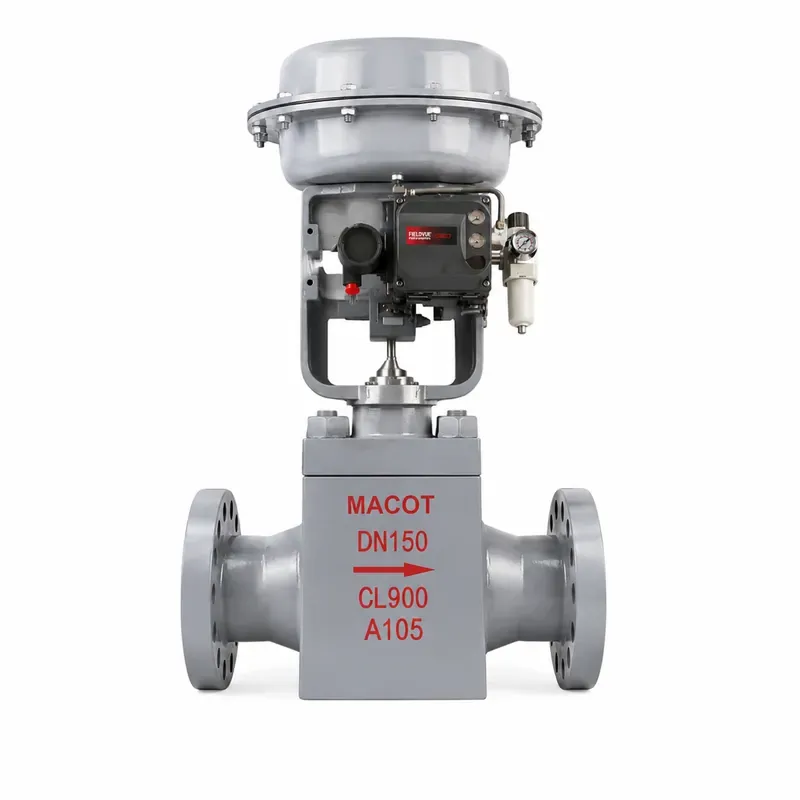
Multi-Stage High-Pressure-Drop Globe Control Valve
Staged pressure reduction for cavitation-prone high-pressure water.
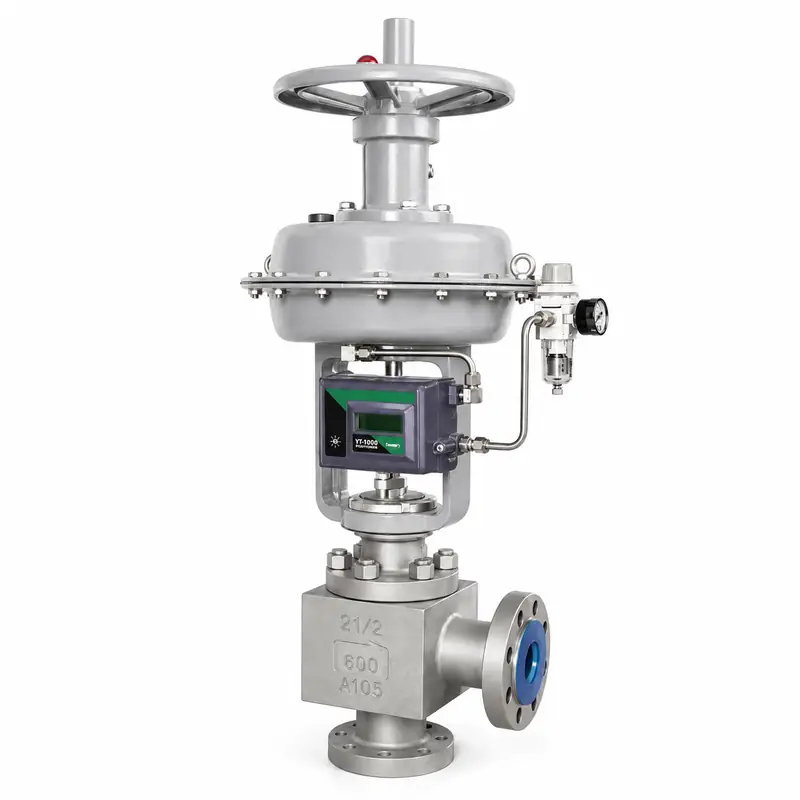
Top-Guided High-Pressure Control Valve
Project-specific high-pressure option with staged pressure-reducing trim.
Attemperator Spray-Water Control
For genuinely low-Cv spray-water duty, start with a small-bore single-seated globe control valve. If maximum Cv exceeds its range, compare a larger top-guided single-seat valve with duty-specific trim.
These valves meter spray water; they are not complete desuperheating systems.
- Verify before selection: Minimum and maximum water flow; valve pressure drop; nozzle pressure; Cv versus travel; minimum stable opening; cavitation; leakage and required response.
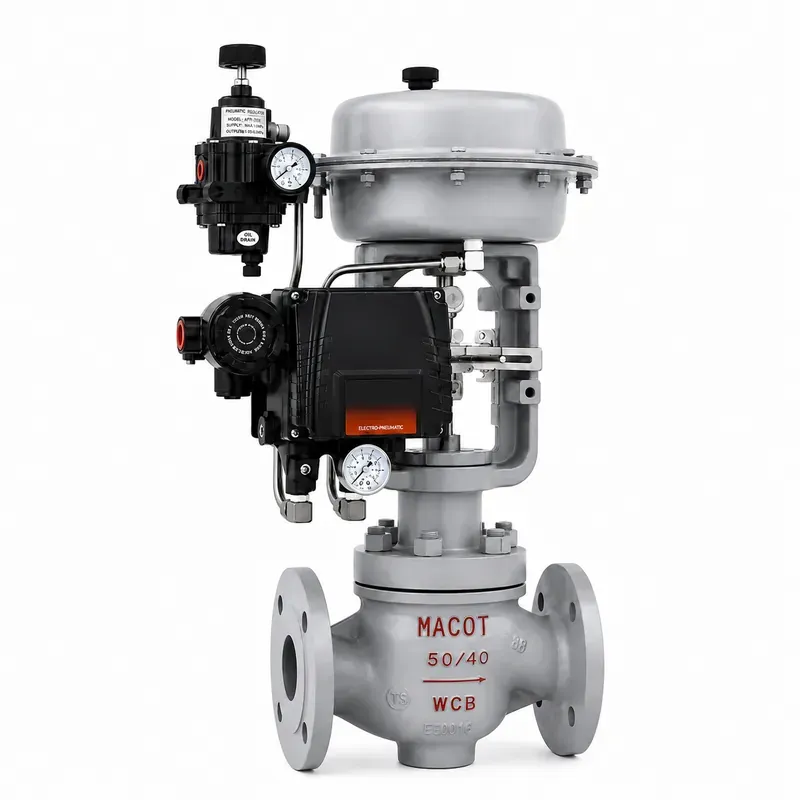
Small-Bore Single-Seated Globe Control Valve
Low-Cv spray-water metering without an oversized standard trim.
Top-Guided Single-Seat Globe Control Valve
Higher-capacity option when the small-bore range is insufficient.
Steam Pressure Reduction, Start-Up Vent and Auxiliary Steam Letdown
For clean steam with a high pressure ratio and a defined noise limit, start with a multi-stage low-noise cage-guided globe control valve.
Final selection still depends on compressible-flow sizing, predicted noise, outlet velocity, steam cleanliness and transient operating cases.
- Verify before selection: Steam state; minimum/normal/maximum/transient flow; inlet/outlet pressure; temperature; Cv versus travel; predicted noise; outlet velocity; shutoff differential pressure; actuator load and fail action.
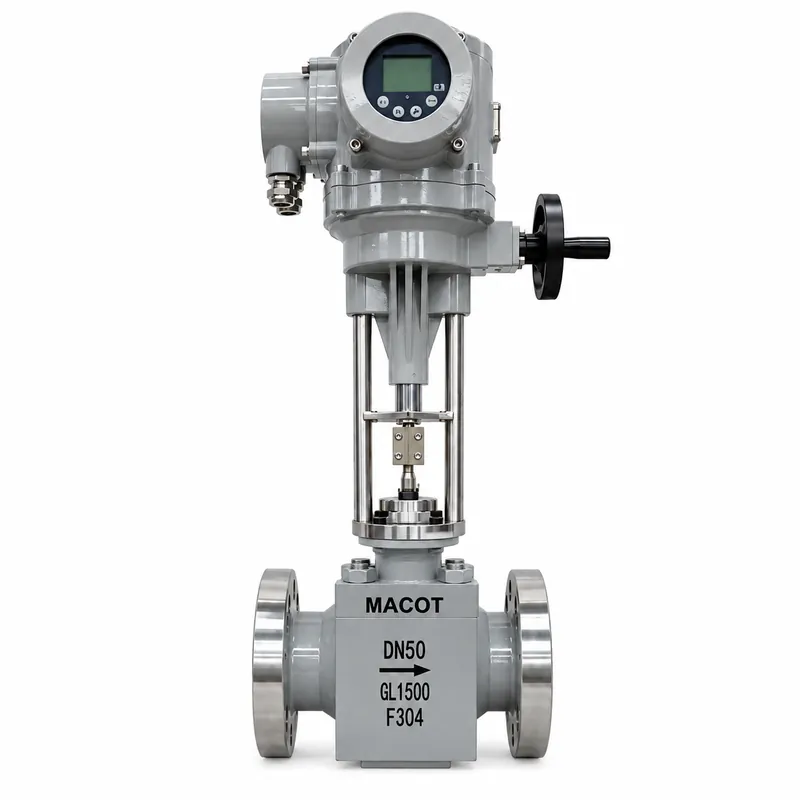
Multi-Stage Low-Noise Cage-Guided Globe Control Valve
Staged steam pressure reduction where aerodynamic noise matters.
Turbine Bypass Pressure-Control Valve—Project-Engineered Selection
Use the multi-stage low-noise cage-guided globe valve as a candidate pressure- reducing family for clean-steam turbine bypass service—not as a pre-validated complete bypass system.
Final valve, trim and actuator require project-specific review; spray-water performance, where included, must be verified separately.
- Verify before selection: Bypass flow and steam states; opening time; load-rejection transient; noise; outlet velocity; thermal shock; shutoff differential pressure; actuator thrust and fail action.
Multi-Stage Low-Noise Cage-Guided Globe Control Valve
Candidate pressure-reducing family for project-engineered turbine bypass duty.
Heater Drains and Hot-Condensate Level Control
For clean hot condensate where cavitation controls the duty, start with a multi-stage high-pressure-drop globe valve. If downstream pressure remains below vapour pressure, treat the duty as flashing and review the outlet erosion path.
For persistent flashing, compare a high-pressure angle control valve so the outlet flow path, replaceable trim and downstream erosion zone can be reviewed together. An angle body does not eliminate flashing.
- Verify before selection: Upstream/downstream pressure; temperature and vapour pressure; drain flow; flashing fraction; outlet velocity; materials; leakage class and maintenance access.
Multi-Stage High-Pressure-Drop Globe Control Valve
Staged pressure reduction for cavitation-prone hot condensate.

Single-Seat Angle Control Valve
Angle-body option for managing the flashing discharge and erosion path.
Condensate, Deaerator and Auxiliary-Water Regulation
For moderate-pressure-drop condensate, deaerator or auxiliary-water control, start with a top-guided single-seat globe control valve.
If differential force or valve size makes an unbalanced plug impractical, compare a balanced single-seat cage-guided design.
- Verify before selection: Minimum/normal/maximum flow; installed pressure drop; expected travel; leakage requirement; water chemistry; maximum differential pressure; actuator margin and fail position.
Top-Guided Single-Seat Globe Control Valve
General clean-water throttling at moderate pressure drop.
Balanced Single-Seat Cage-Guided Globe Control Valve
Balanced option when differential force or valve size is higher.