


MacoTango supplies industrial control valves and automated valve packages configured for flow regulation, process isolation and project-specific applications across oil and gas, chemical, power, water treatment and other process industries.
Actuated Valve Product Range
Browse actuated valves by control duty, valve body style and actuator configuration. MacoTango can support complete valve and actuator packages for high-temperature and high-pressure service, hazardous gas applications, corrosive media, steam service, low-temperature applications, automated process control and project documentation review.
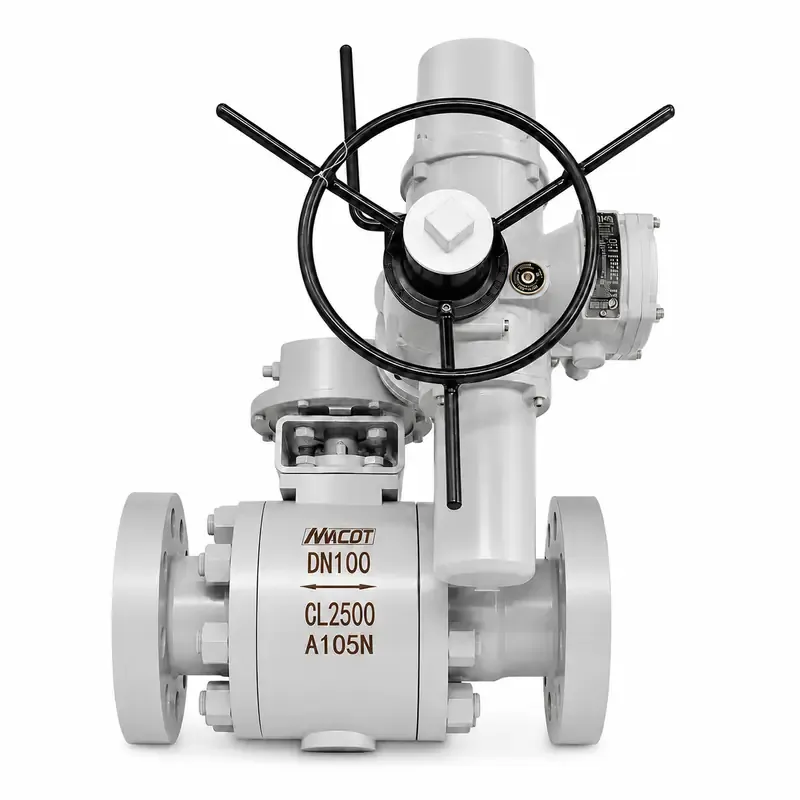
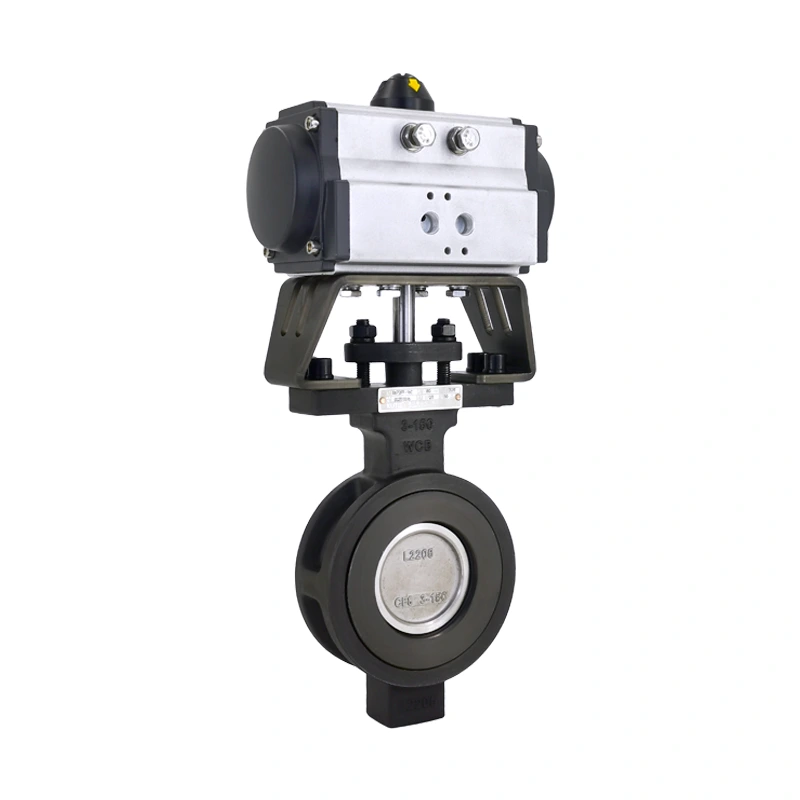
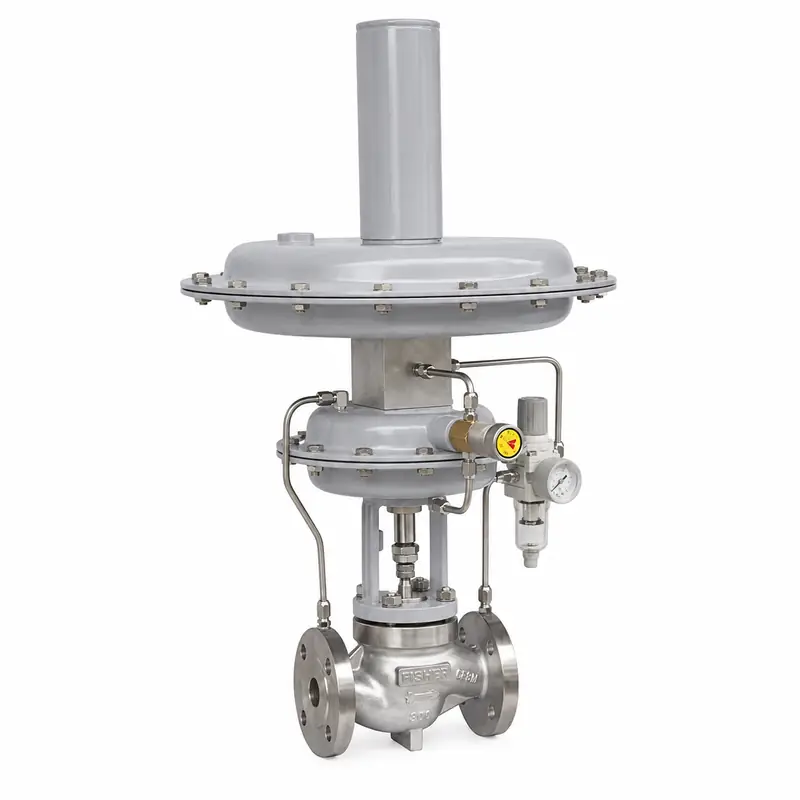

Industrial Control and Actuated Valves for Process Applications
MacoTango supplies control valves and pneumatic or electric actuated valve packages for industrial projects, distribution, OEM supply and plant applications. Send your process data, valve datasheet or project specification for valve configuration, actuator and accessory review, and a scope-based quotation.
Engineering Selection Support
Review valve type, materials, trim, actuation and accessories against the submitted duty.
Pneumatic and Electric Packages
Coordinate the valve body, actuator, positioner, signal, fail action and specified accessories.
Project Documents
Define datasheets, GA drawings, test records, material documents and export requirements within the confirmed order scope.
OEM Supply Options
Discuss customer nameplates, repeat configurations and documentation requirements for approved OEM programs.
Start with the Control Duty
Valve selection should begin with what the valve must do under minimum, normal, maximum and upset conditions. Nominal line size or a previous model name is not enough to confirm the valve body, trim, seat, actuator or accessories.
Flow, Pressure, Temperature or Level Control
Use an engineered control valve when the valve must move through intermediate positions to regulate a process variable. Provide minimum, normal and maximum flow with the corresponding inlet and outlet pressures so valve capacity, operating travel, trim and actuator requirements can be reviewed.
View Control Valve Series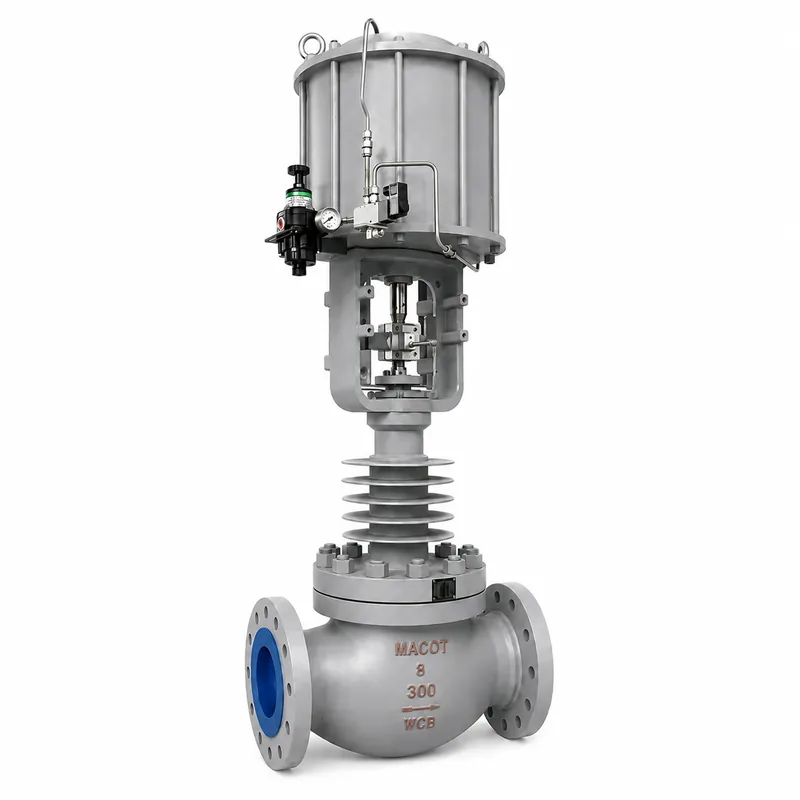
Remote Isolation and On-Off Service
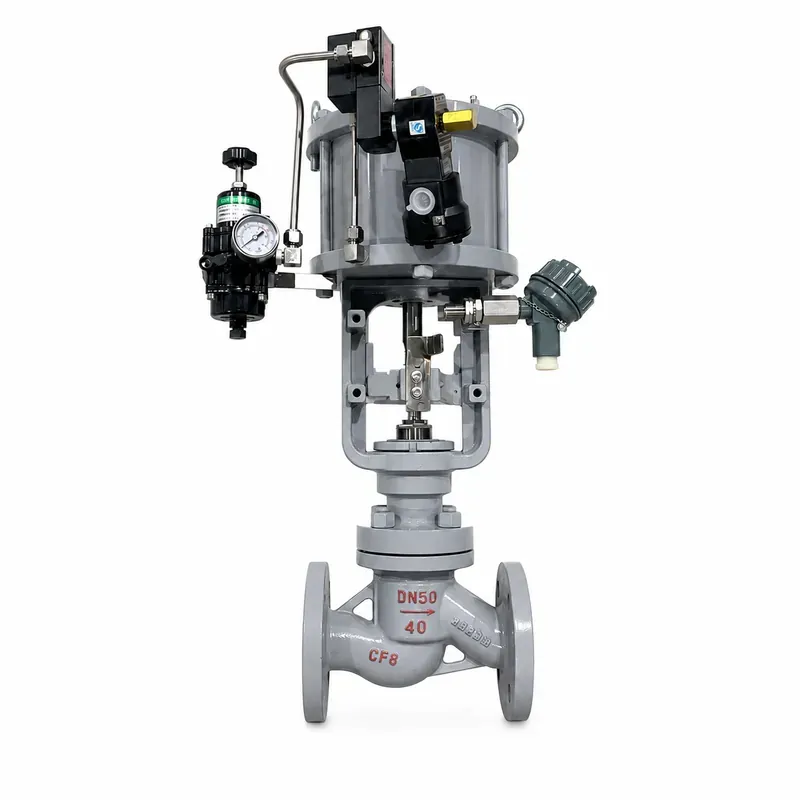
Actuated ball valves and butterfly valves can be considered for remote opening and closing. The final choice depends on size, differential pressure, medium, seat requirement, operating frequency, required closing time, fail action and installation conditions.
Three-Way Flow Control and Switching
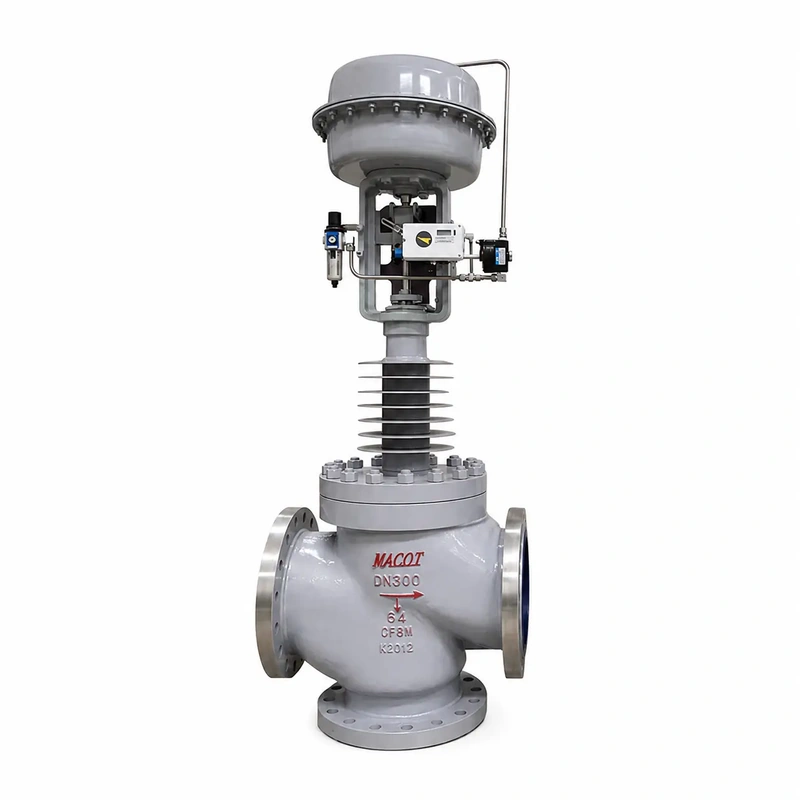
Three-way control valves or three-way ball valves may be used for mixing, diverting, bypass or routing duties. State the required port arrangement, flow direction, operating positions and whether the duty is modulating or on-off.
Three-Way Globe Control ValveThree-Way Ball Valves
Check mixing, diverting and port arrangements. Confirm the permitted flow path and control duty for the selected design.
Compact Automation for Larger Line Sizes
Butterfly valves are often reviewed where compact quarter-turn operation is useful. Confirm the pipe and flange standard, pressure class, maximum differential pressure, seat construction, disc clearance, corrosion conditions and actuator torque requirement.
View Actuated Butterfly Valves
Self-Operated Regulation
Self-operated control valves use process pressure or temperature as the operating energy. Provide the controlled variable, set range, upstream and downstream conditions, flow demand, medium, temperature and installation arrangement.
View Self-Operated Control Valves
Configure the Valve, Actuator and Accessories as One Package
Once the control duty and RFQ data are defined, the valve, actuator and accessories should be reviewed as one operating assembly. The review focuses on four linked decisions: valve and trim configuration, material and sealing compatibility, actuator load and fail action, and the control, feedback and accessory failure sequence. The proposal should state the proposed scope and any assumptions or deviations requiring buyer approval.


Confirm the Valve and Trim Configuration
Translate the defined control duty into the proposed body pattern, flow direction, guiding or balancing arrangement, flow characteristic, seat and trim. Where cavitation, flashing, noise, erosion or corrosion has been identified, the trim decision should address that specific damage mechanism rather than use “severe service” as a general description.
Proposal output:
Proposed valve series and size, body and trim arrangement, flow direction, shut-off requirement, sizing basis and unresolved technical points.
Contact an EngineerMatch Materials and Sealing as a System
Body material alone does not define the complete material system. The trim, seat, packing and gaskets should be confirmed separately because each component has different chemical, pressure, temperature, friction and wear limits. Any uncertainty in fluid composition or material compatibility should remain visible for buyer confirmation.
Proposal output:
Component-level proposed materials, seat and packing construction, identified compatibility risks and items requiring buyer confirmation.
Contact an EngineerSize the Actuator for the Controlling Case
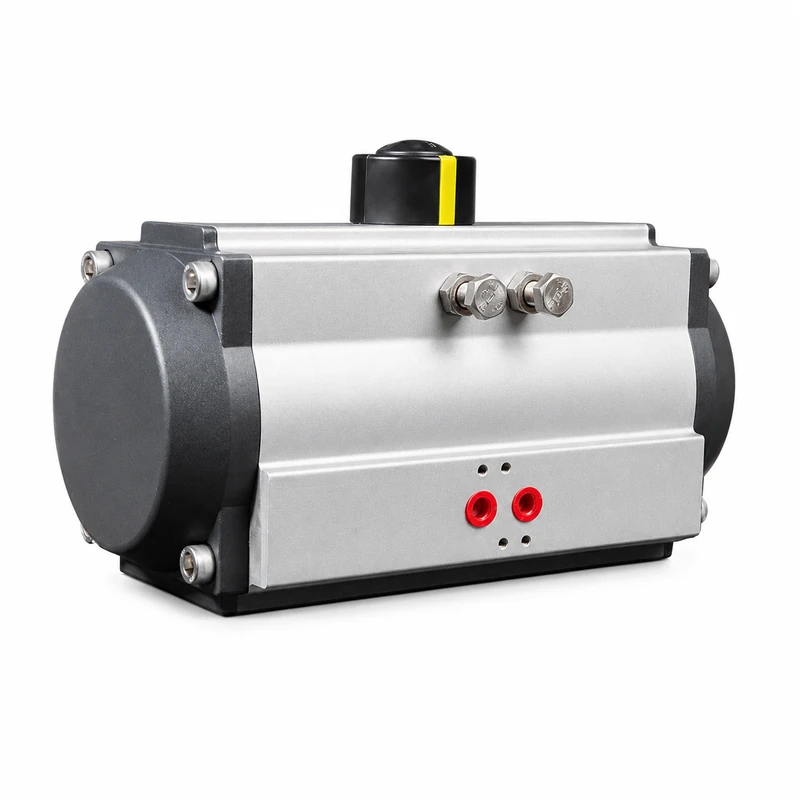
The normal operating point may not create the highest actuator load. Pneumatic or electric actuator selection should cover the most demanding opening, throttling and closing condition, including differential pressure, seat load and mechanical friction at the minimum available utility condition.
Fail open, fail closed or fail in place should follow the required process response. For an electric actuator, any required fail position also needs a defined stored-energy, spring-return or backup-power arrangement. For a modulating electric package, check command, feedback and failure behavior separately.
Proposal output:
Proposed actuator type, sizing basis, supply requirement, operating action, fail position, operating-time requirement, manual override and stated assumptions.
Contact an EngineerCoordinate Control, Feedback and Accessories
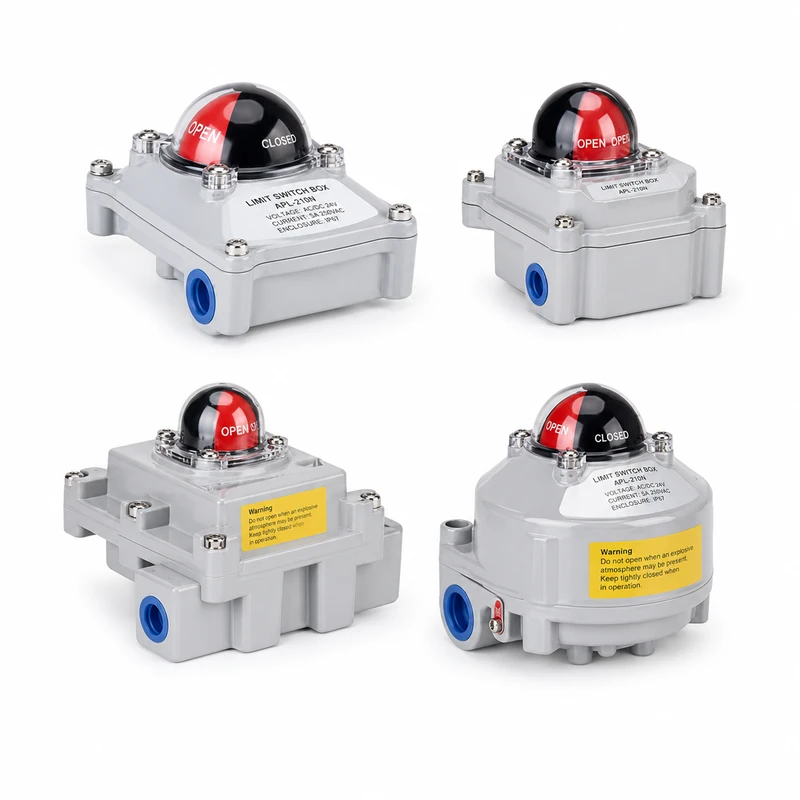
Positioners, solenoid valves, feedback devices and pneumatic accessories should be selected from the control and shutdown logic—not added as a standard component list. Confirm how the complete assembly responds to loss of air, power or control signal, and make sure accessory behavior does not conflict with the required valve fail action.
Proposal output:
Accessory schedule, input and feedback interfaces, failure-state sequence, and the included and excluded scope for mounting, tubing and wiring interfaces.
Contact an EngineerValve Selection for Industrial Project Conditions
Industry labels alone do not define the valve. Use the application links below to review the operating conditions, materials, control duties and document requirements that commonly influence selection.

Oil, Gas and Petrochemical Systems
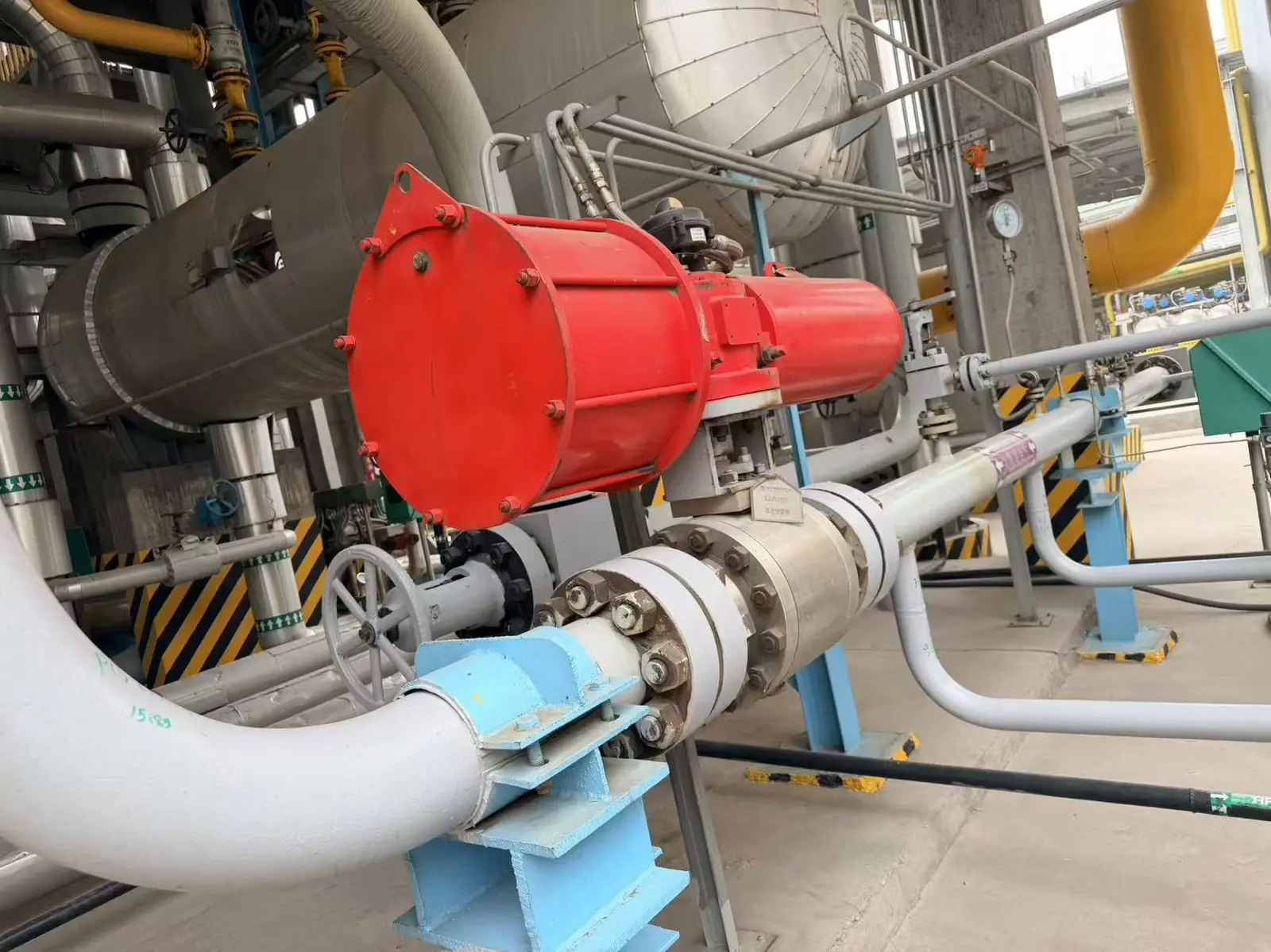
Review pressure class, shut-off duty, actuator fail action, material requirements, operating frequency and any project-specified fire-safe, fugitive-emission or inspection requirements.

Chemical Processing
Provide the complete fluid composition, concentration, temperature and contaminants. Body, trim, seat, lining, packing and gasket compatibility may require separate review.

Power and Steam Systems
Include all operating cases for steam, condensate, boiler feedwater or utility service. Pressure drop, temperature, cavitation, flashing, noise and downstream velocity may affect valve and trim selection.

Water and Utility Pipelines
Confirm line size, pressure, water quality, corrosion conditions, cycle frequency, closing time, actuator torque and available electric or pneumatic utilities.

LNG and Low-Temperature Service
State the minimum operating and design temperatures, fluid phase, pressure, required materials, bonnet or stem arrangement, sealing requirements and applicable project documentation.
EPC, OEM and Packaged Equipment
Submit the valve list, tag requirements, repeat configuration, drawings, nameplate details, control interfaces and document schedule needed for the project or equipment package.
Inside Actuated Valve Manufacturing and Assembly
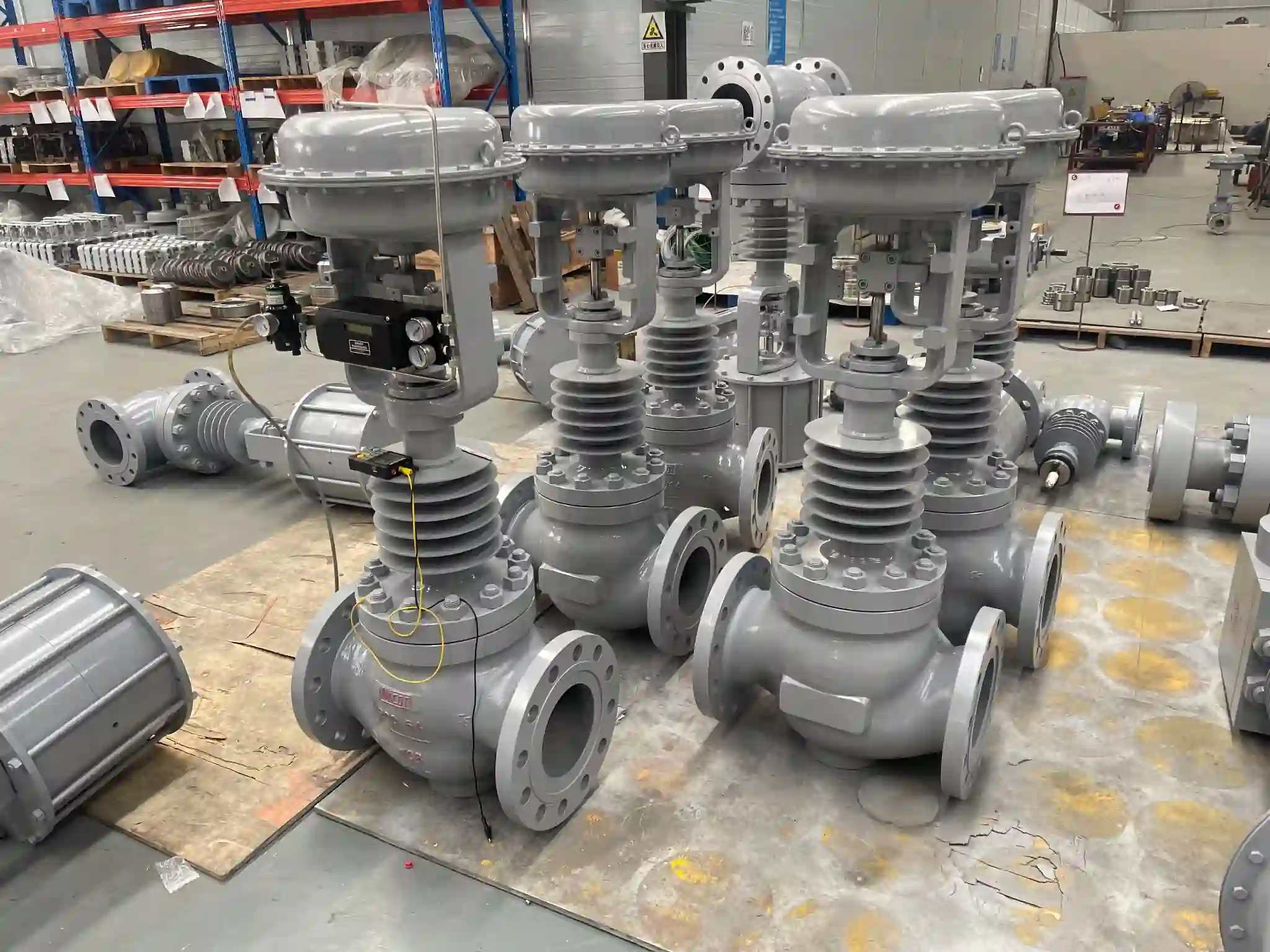
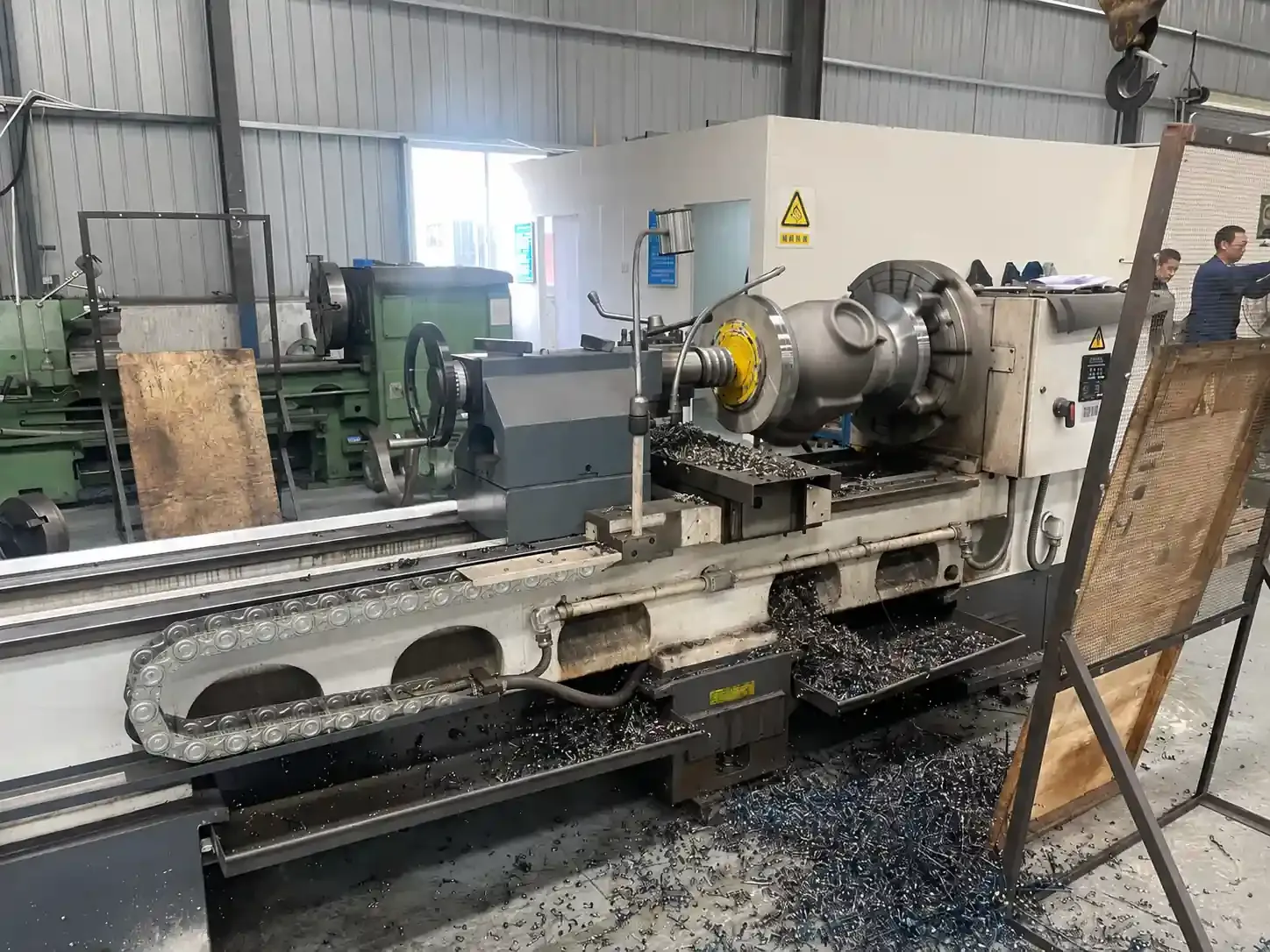
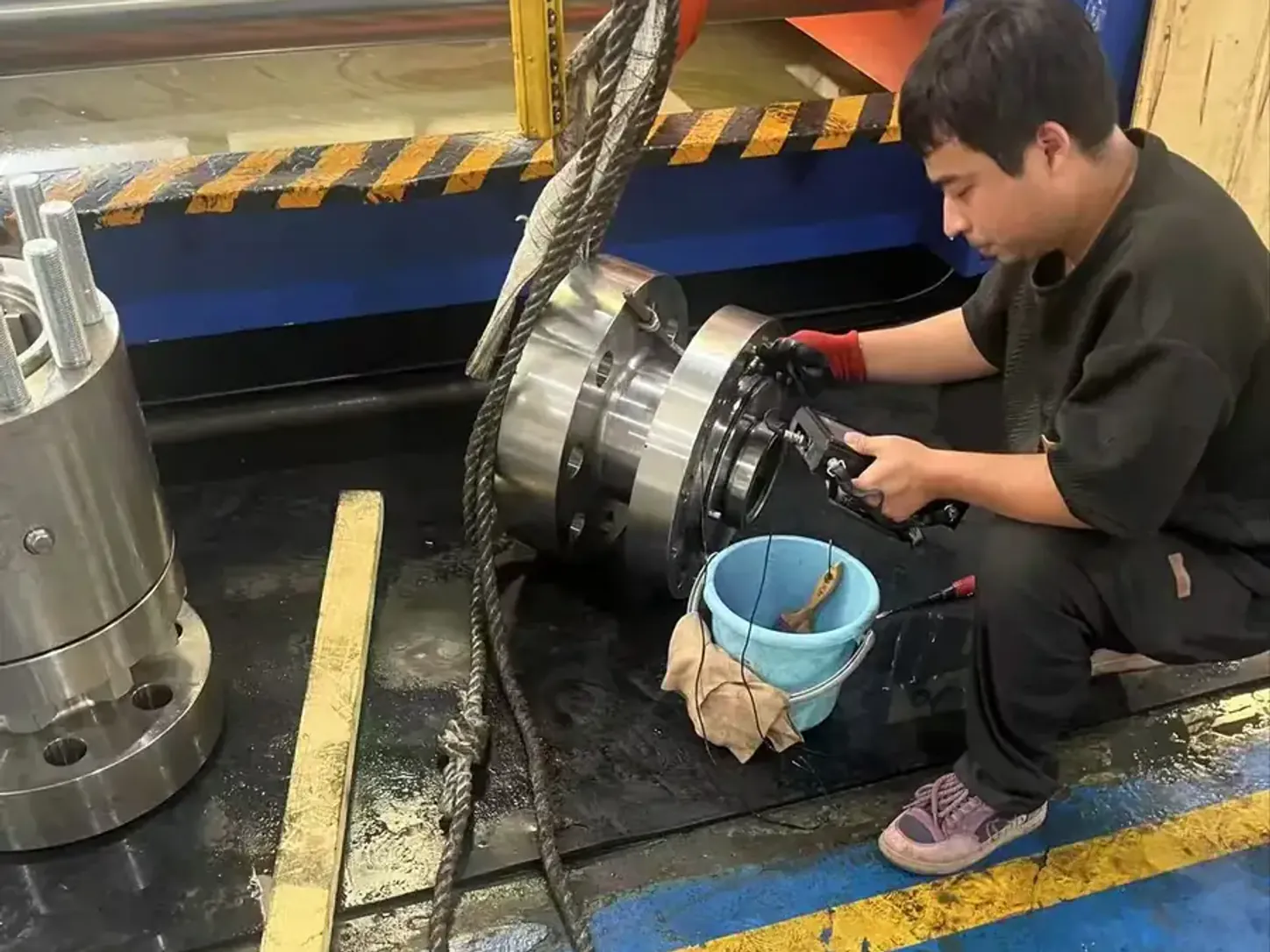
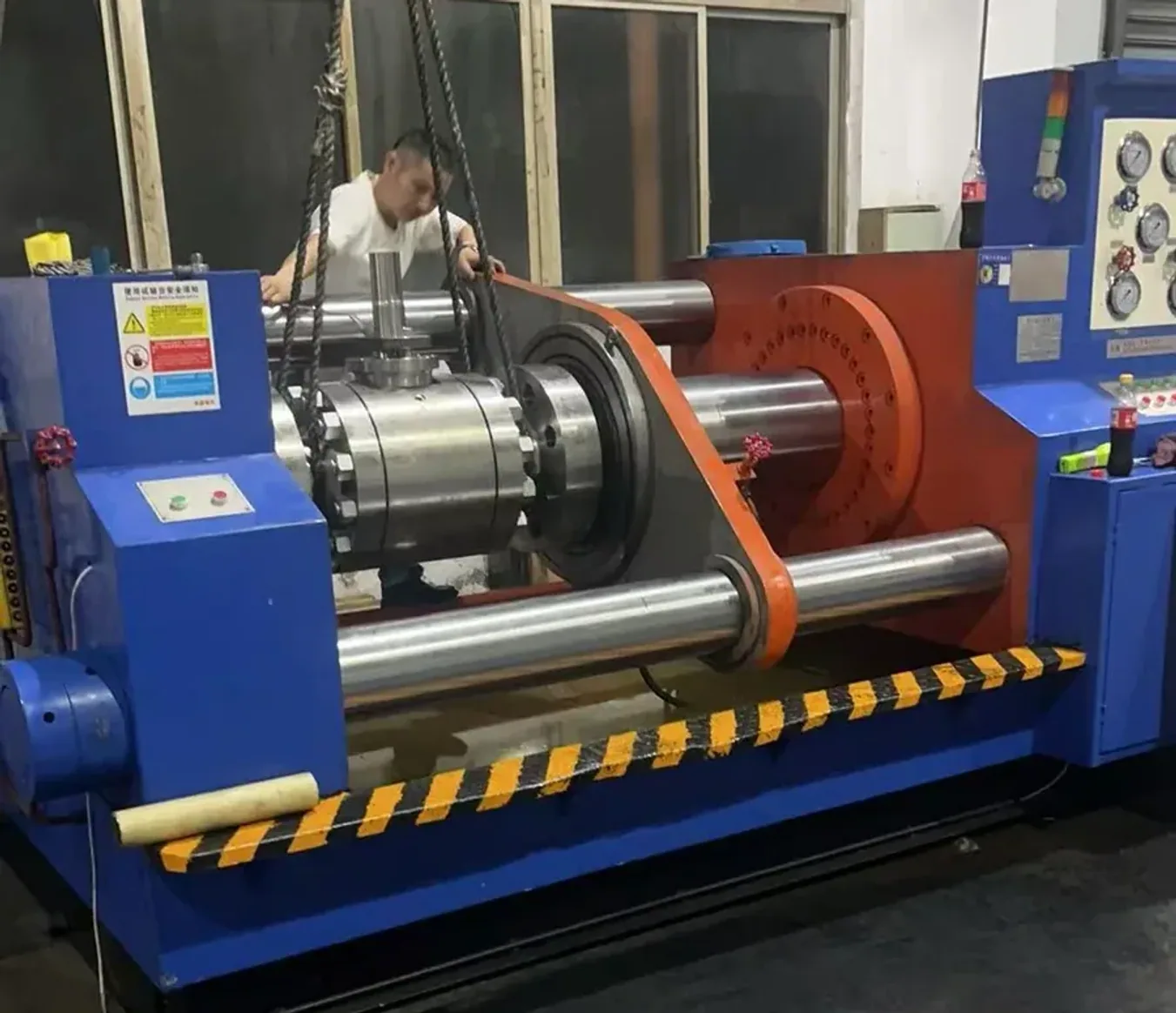
See selected manufacturing and assembly stages behind actuated valve packages—from component preparation and valve assembly to actuator mounting and accessory integration. Each image identifies the actual product and operation shown, giving buyers a factual view of the work behind the package.
Component Machining and Preparation
Valve bodies, trim parts and mounting components are prepared for the specified valve configuration.




Certificates & Standards
Certificates and Documents for Actuated Valve Projects
For actuated valve procurement, buyers often need more than a price and lead time. MacoTango can support project review with certificates, drawings, actuator information, test documents and quality records according to the selected valve type, actuator configuration and order requirements.

ISO 15848

API 607

API 6FA

EAC
