


Control Valve Replacement for Repair & MRO Teams
Replacement control valve supply, spare-parts enquiries for MacoTango equipment, and actuator or accessory configuration review for repair and MRO teams.
Control Valve Replacement Support for Repair & MRO Teams
Review the replacement before you commit to your customer.
MacoTango supports valve repair companies and maintenance contractors with replacement control valves, spare-parts enquiries for MacoTango equipment, and actuator or accessory configuration review.
Share the existing valve details, the work required and your latest acceptable arrival date to review the supply scope, technical differences and delivery feasibility.
Start with valve, actuator and positioner nameplate photos or an existing datasheet. We will identify the additional information needed for review.

Define the Supply Scope for Your Repair Job
A repair enquiry may involve a complete valve, a specific spare part or only part of the actuation package. Tell us what needs replacing and what you intend to retain so the offer covers the right work.

For obsolete valves, uneconomic repairs or planned change-outs, submit the existing assembly and current operating duty for review. For the repair-or-replace decision, see the repair, replacement and reselection checks.
Define whether you need a bare valve or a complete package with actuator, positioner and accessories. Any proposed installation or configuration differences should be identified before ordering.
Send the valve model, serial number or previous order reference, together with the required part and quantity.
Available spares and kit contents can then be checked against the relevant assembly. Packing, gaskets, trim components and actuator parts must be identified by the applicable design—not by a general part name alone. For trim selection context, see the valve trim guide.
Replacing an actuator, positioner or control accessory while retaining the valve?
Share the existing equipment details and the components you plan to keep. The review needs to cover the mounting arrangement, required movement, operating supply and control interfaces before a replacement configuration is agreed.
Identify any original-brand-only or approved-vendor requirements at the enquiry stage. A proposed MacoTango assembly is an alternative supply proposal, not a claim of original-brand parts or automatic interchangeability.
| Identification photo | What it starts, and what still needs checking |
|---|---|
| Valve nameplate | Use readable maker, model, serial or tag, size and rating fields to locate the assembly records. Verify the installed trim and any later changes against the datasheet and maintenance history. |
| Actuator nameplate | Identify the drive and available supply information. Confirm mounting, travel, load capacity and failure response against the selected actuator documents. |
| Positioner nameplate | Identify the instrument and marked signal or protocol. Confirm fitted output options, sensing arrangement and actual wiring separately. |
A matching DN or pressure class does not establish interchangeability. Compare face-to-face length, flange drilling and facing, flow direction, overall envelope and maintenance clearance against the existing and proposed assembly drawings.
For the capacity review, keep current flow, inlet pressure, outlet pressure and temperature paired at each operating point. The control valve sizing guide explains why those cases and the actual trim matter. For the control-system review, distinguish position demand and feedback interfaces ; use the electric actuator interface guide when the drive is electric.
Record confirmed matches, proposed differences and unresolved items in the replacement comparison. Include retained components, adapters, required failure action and the documents still awaiting approval. Repeated leakage or unstable operation also needs an operating-duty review before repeating the original configuration.
What a Nameplate Can Identify, and What Still Needs Confirmation
Identify the valve, actuator and positioner separately.
Send a clear photo of each nameplate plus an overall assembly photo. Keep those records together so a valve plate is not mistaken for the identity of its actuator or positioner.

Identify the proposed valve, trim, materials, actuator, positioner and accessories, together with the operating data used for selection.
Distinguish preliminary quotation information from drawings and documents that require final approval.
Show differences from the existing specification or plant requirements. Keep assumptions, exclusions and information requiring confirmation visible until they are agreed.
Confirm the required standards and editions, applicable certificate scope, material documentation and factory inspection or test requirements.
Specify acceptance criteria and any witnessing or third-party inspection requirements before order confirmation.
Identify the valve package price, optional spares, additional inspection or document charges, delivery basis and named place, payment terms and quotation validity.
Make clear what is included—and what remains outside the supply scope.
Have a mandatory manufacturer list or plant specification? Share it at the start. Any proposed alternative must follow your plant’s technical and purchasing approval process.
Get a Proposal Your Plant Team Can Evaluate
Compare a defined valve assembly and supply scope—not only a model number and unit price. The technical and commercial offer should make the selection basis, exceptions, verification requirements and delivery conditions clear.

Check Delivery Feasibility Against Your Job Deadline
A factory-ready date is not an arrival date.
Tell us the latest acceptable arrival date at your workshop or site, together with the delivery location. The supply review should account for technical approval, material or component availability, manufacturing, inspection and transport.
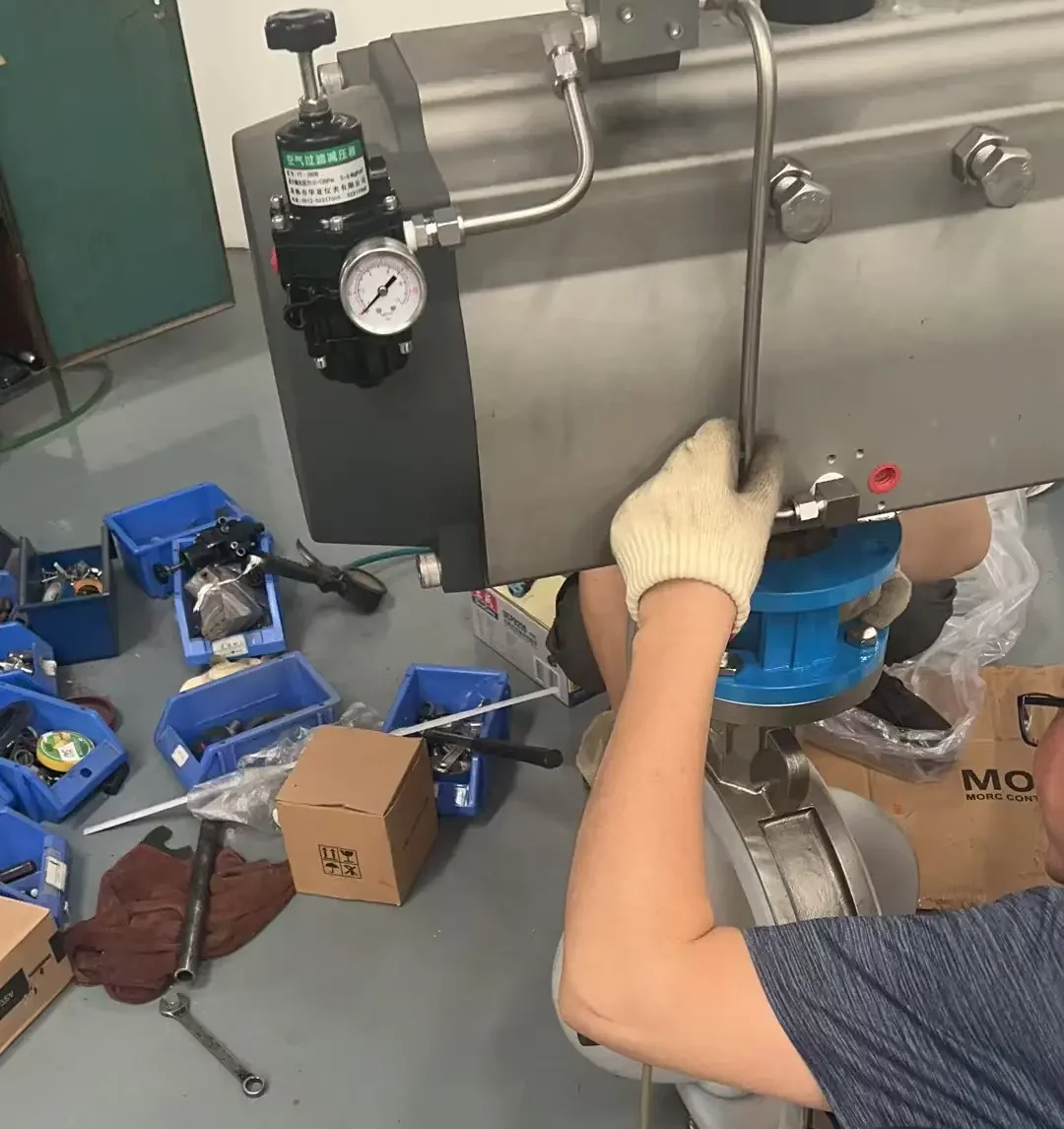
State when the equipment must be available for your work—not only when the plant shutdown begins.
Include the destination and whether your team needs time for receiving inspection, assembly or preparation before installation.
The quotation should identify the manufacturing lead time, its starting conditions and any drawing approval, inspection or payment milestones affecting release.
Availability must be checked against the actual configuration and quantity.
Keep the expected dispatch date separate from estimated transit and arrival.
Agree the shipping basis, destination and responsibilities before relying on the schedule for your customer commitment.
Agree an itemised supply scope covering the valve, actuation, accessories, documentation, inspection and packing.
Identify freight and any optional spares, additional testing or other charges separately. This gives your team a clearer basis for its own quotation and avoids comparing offers with different scopes.
Urgent requests are reviewed against the actual equipment requirements and destination. Expedited options, where available, are confirmed per enquiry.
Use the proposed datasheet, relevant dimensions and identified technical differences to review the replacement with your customer.
The documents should make clear which components are included, which existing components are retained and which points still require approval.
Define the required inspection and test records for the quoted scope.
Where applicable, these may cover pressure testing, seat leakage, functional checks and material documentation. The applicable standard, test conditions and acceptance requirements should be agreed rather than assumed.
Keep the final model, serial or tag reference, drawing revision and relevant spare-part references together.
These records help your team check the delivered assembly, prepare its handover information and identify the correct equipment for future enquiries.
Factory test records support the supplied scope. They do not replace site installation checks and commissioning or the end user’s acceptance procedures.
Give Your Customer a Clear Basis for Approval and Handover
Agree the documentation requirements with the quotation so your team knows what can be submitted for review, what will accompany the supply and how the equipment will be identified later.
