Your Trusted Control Valve Manufacturer & Supplier
Outdoor pipeline valve

Control Valve Solutions for Industrial Buyers

Tailored control valve support for EPC contractors, OEMs, distributors, process plants and MRO teams—from RFQ review and valve selection to documentation, replacement and supply support.

OEM & SKID EQUIPMENT SUPPORT

Control Valves for OEMs & Skid Builders

Get a valve configuration your engineers can integrate and your purchasing team can order with clarity.

MacoTango supports control valve selection and supply for process equipment manufacturers and skid builders. Share your BOM, equipment drawing or existing valve datasheet to review the operating duty, installation interfaces, actuation and supply requirements.

Whether you are developing a new unit, evaluating an alternative supplier or preparing a repeat build, start with the information you already have.

One representative valve requirement is enough to begin the review.

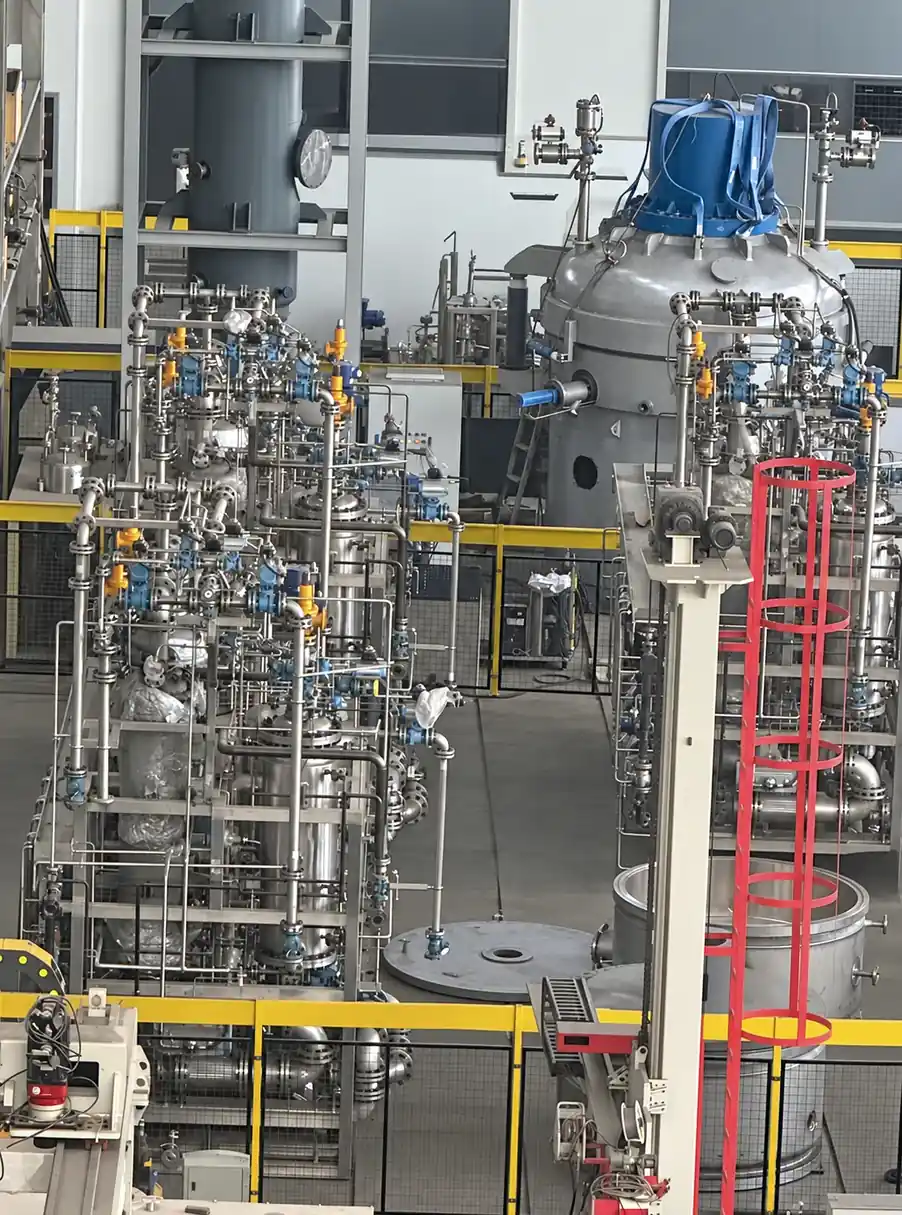
Process skid fabrication workshop
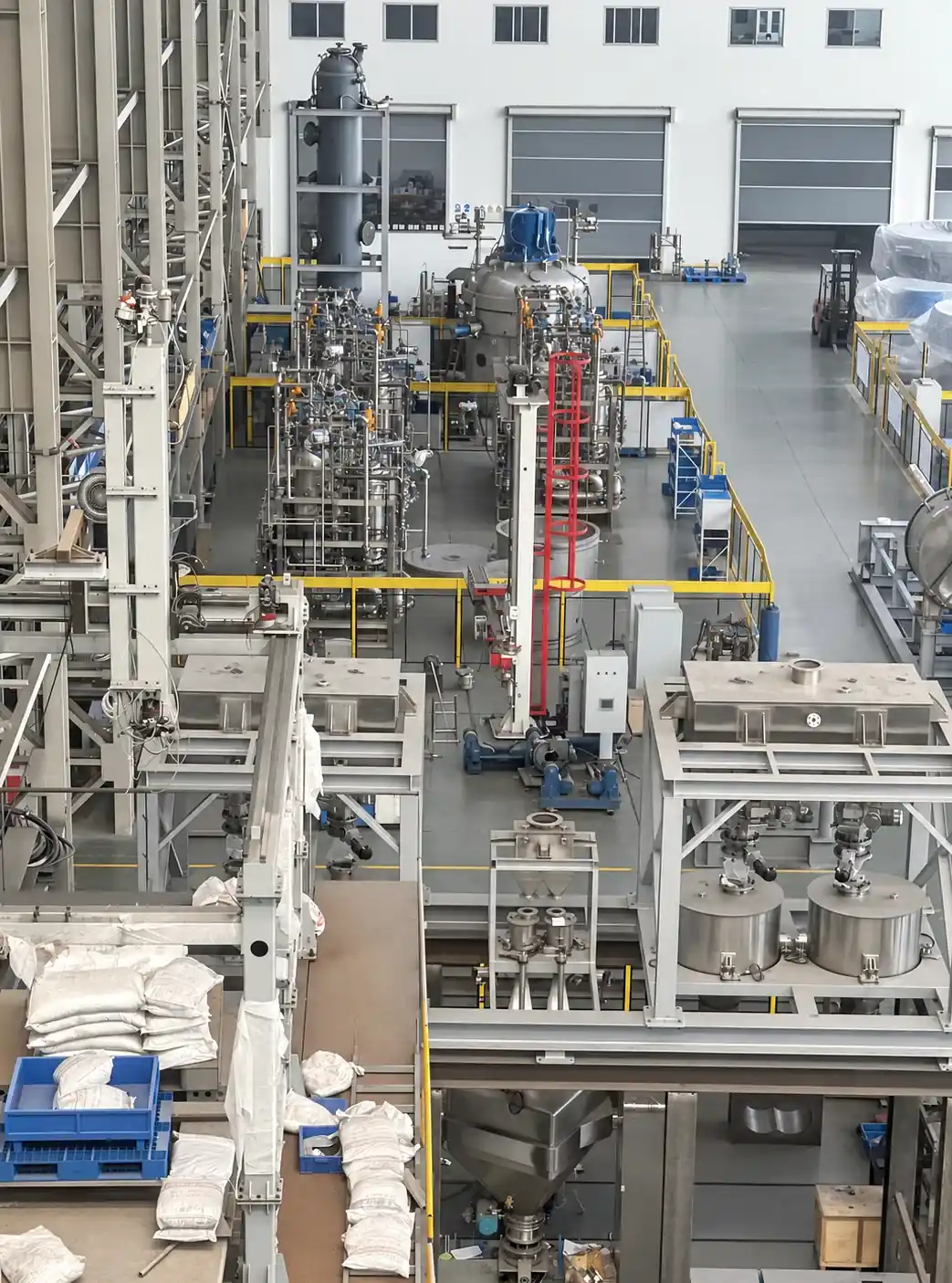
Process skid piping assembly

Fit the Valve to Your Equipment—not Just the Pipe Size

Process Duty and Operating Range

Review the medium, flow range, pressure and temperature alongside the required control function. The proposed valve and trim are assessed against the operating cases of the equipment, including any defined startup or reduced-load conditions.

Mechanical Fit and Maintenance Access

Check end connections, face-to-face dimensions, overall height, actuator orientation and access for maintenance. Identify the dimensions that cannot change before the proposed assembly is finalized.

Control and Utility Interfaces

Define the command signal, feedback, available air or power supply, shut-off requirement and fail action. Review the valve, actuator, positioner and accessories as one assembly against your equipment interface requirements. For electric modulating assemblies, see the 4–20 mA signal, power and feedback guide.

Explore Control Valve Applications for Your Skid Package

Different skid packages create different control duties. Choose the application closest to your equipment to review the key valve selection and integration requirements.
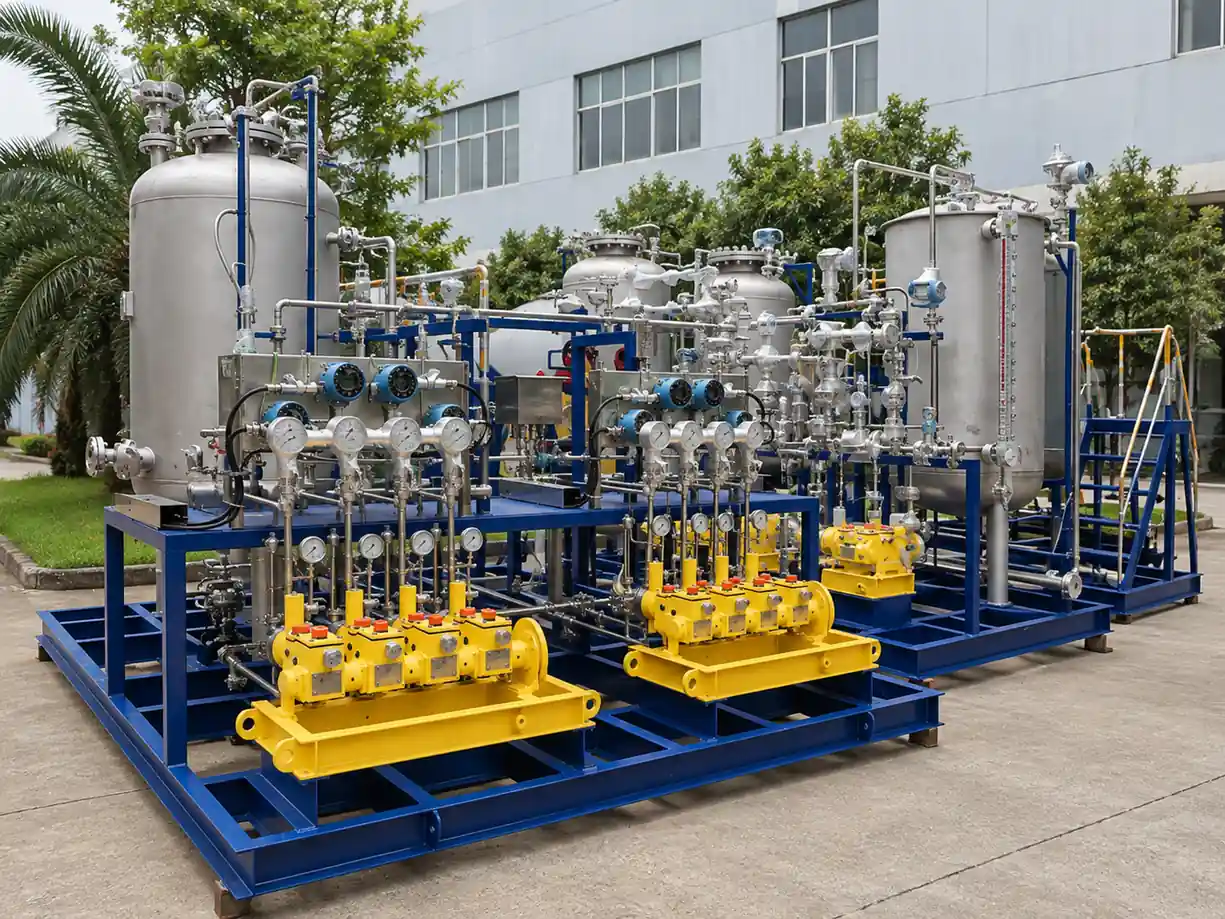
Multiple chemical dosing units
Gas Metering Skids

Flow and pressure control, gas sizing, valve noise and meter-run integration.

View Gas Metering Skids
Pressure Reducing Skids

High pressure drop, choked flow, noise, trim selection and actuator shutoff load.

View Pressure Reducing Skids
Chemical Injection Skids

Low-flow control, chemical compatibility, wetted materials and plugging risk.

View Chemical Injection Skids
Compressor Skids

Anti-surge, recycle and pressure-control duties, with capacity, shutoff load and assembly-response checks.

View Compressor Skids
Water Treatment Skids

Flow and pressure control for RO, UF, filtration and process-water packages.

View Water Treatment Skids

For OEM supply, agree a configuration record linking your part number or equipment tag to the selected valve, trim, actuator, positioner, accessories and drawing revision.

Configuration Record What It Helps Your Team Control

Valve and trim details

Identify the agreed construction, materials, capacity and control characteristic.

Actuator and accessories

Keep the specified actuation, signal, feedback and accessory models identifiable.

Drawing and interface revision

Reference the accepted connections, dimensions and installation arrangement.

Customer part number and options

Distinguish the standard configuration from approved equipment variants.

Keep the approval state visible. Record each requirement as requested, proposed or accepted, with the supporting document revision, any deviation and the responsible reviewer. A proposed substitution should identify its effect on mechanical fit, capacity, signals, spare parts and delivery before technical approval and production release.

Define the Complete Assembly Behind Your Part Number

A repeat order should reference the agreed valve assembly—not only a general model description.
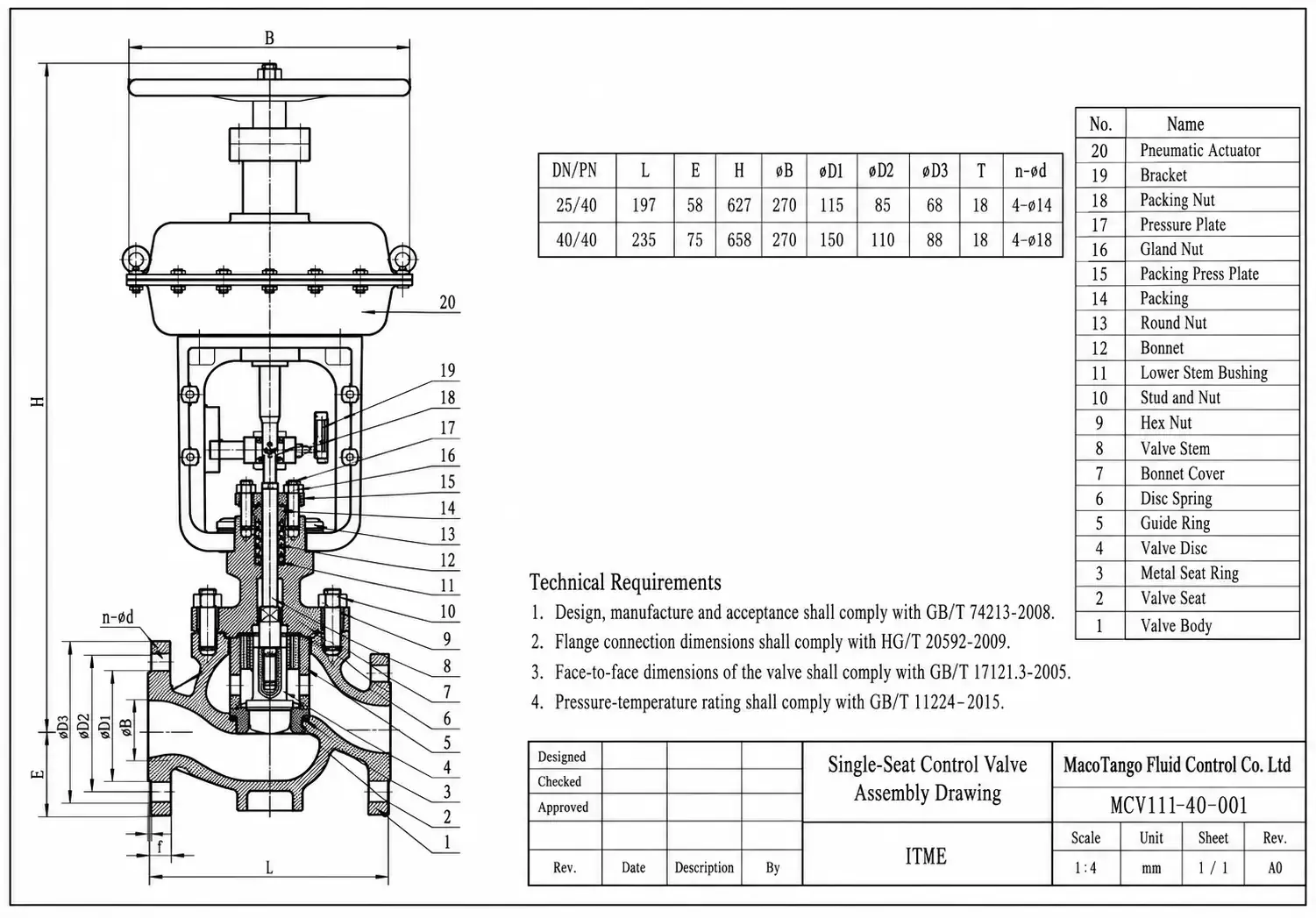
Single Seat Control Valve Assembly Drawing – DN25 PN40
Process skid piping assembly

Validate the First Supply Before Expanding the Order

Start with a defined valve duty and an agreed initial quantity. Establish what needs to be checked, who will review the results and what must be accepted before the configuration is used more widely.

Define the Initial Scope

Identify the equipment duty, installation constraints, proposed configuration and initial quantity. Agree the documents and acceptance requirements before the first supply is released.

Check the Supplied Assembly

Confirm the applicable dimensional, pressure, leakage and functional checks. Keep the valve-level inspection scope distinct from the tests performed on your complete equipment.

Establish the Repeat-Order Basis

After your team accepts the configuration, reference the agreed part number, drawing revision and inspection requirements on subsequent orders. Review other equipment variants for relevant differences.

Already have an approved specification? Send it directly for a quotation review. An evaluation order is not mandatory for every enquiry.

Selected OEM, Equipment & Skid Project References

Selected equipment, packaged-system and engineering project references relevant to OEM manufacturers and skid builders, covering control, high-pressure, self-operated and automated valve assemblies.

Project / Equipment Valve Scope QTY Equipment / Engineering Organization
Oxygen Station Labyrinth-Type High-Pressure Valves, Self-Operated Control Valves 35 Dongfang Electric Group
Jinhang Furnace Pilot Unit Pneumatic Control Valves, Shut-Off Angle Valves, Shut-Off Ball Valves, Butterfly Valves 59 Xi'an Aerospace Propulsion Engineering
Inner Mongolia Guangju 5 Mt/a Coking Polygeneration Project Control Valves, Shut-Off Valves 69 SUPCON Technology
JISCO No. 5 & 6 Stamp-Charged Coke Oven Dry Quenching Project Minimum Flow Valves, Control Butterfly Valves, Control Valves 42 Jinan Iron & Steel International Engineering Technology
Ammonia Water Recovery & Comprehensive Utilization Project Pneumatic Control Valves, Pneumatic Shut-Off Valves 47 Zhengzhou Heyi Environmental Technology
Equipment Revamp Project Control Valves, Ball Valves, Self-Operated Control Valves 56 China Erzhong Group
Industrial Gas System Revamp Project Control Valves, Shut-Off Ball Valves, Butterfly Valves 363 China YTO Group

* Selected equipment and engineering project supply references. These records provide relevant application context and do not imply that every listed organization represents a recurring OEM supply agreement.

Need a reference relevant to your equipment? Tell us the valve duty, equipment type and interface requirements so we can identify the available supporting records for review.

Commercial & Delivery Basis

Plan the Valve Supply Around Your Build Schedule

Forecast quantities, scheduled releases and reserved stock can be discussed where relevant. Any commitment is defined in the agreed supply arrangement.

Compare the Complete Assembly Cost

Compare quotations against the same valve, trim, actuator, positioner, accessories, document and inspection scope. Reference the configuration revision, initial and repeat quantities, pricing validity and any exclusions or deviations. Confirm technical-approval and change-release responsibilities before treating two offers as equivalent.

Assembly Cost Repeat Pricing

Deliver to the Milestone That Matters

Share the date the valves need to reach your workshop for assembly or equipment testing. The delivery basis distinguishes technical approval, manufacturing, inspection, dispatch and transport—not only a general factory lead time.

Workshop Arrival Build Schedule

Identify Spares Before Shipment

Identify the valve tag or serial number, accepted assembly and drawing revision, and the component or spare-part reference. Include nameplate and part photographs plus available dimensions, materials and the observed problem. A familiar model name alone does not establish interchangeability. Use the replacement and MRO review to compare the retained interfaces and proposed change before confirming compatibility.

Spare Parts Compatibility
OEM & Skid Valve Requirement

Send Your BOM, Drawing or Valve Requirement

Share one representative valve tag with its current BOM, P&ID or equipment drawing and valve datasheet. Include each document's revision and mark fixed interfaces, preliminary values and alternatives. We review the operating duty, mechanical fit and actuation against that record before proposing the valve configuration and quotation.

Keep minimum, normal, maximum and any startup cases separate, with flow, inlet and outlet pressure, and temperature paired within each case. State pressure and flow units, air or power limits, the command signal and any separate position feedback. Identify the required response to loss of air, power and command individually.

If you need a blank format, use the control valve datasheet (Excel) and its filling guide. Mark unknown items TBD; an existing BOM or drawing is also suitable for the initial enquiry.

Start with the information you already have. One BOM item, drawing or existing valve datasheet is enough to begin the review.

No file selected

    OEM & Skid Builder FAQs

    Questions Before Integrating a Control Valve into Your Equipment

    Send the required configuration and initial quantity. Evaluation-order feasibility, pricing, documents and inspection requirements are confirmed for the proposed supply. An annual purchasing commitment is not required to begin the technical discussion.

    Send the existing datasheet or drawing and identify the interfaces that cannot change. We review the duty, dimensions, connections, actuation and required approvals before confirming the alternative. Any installation or configuration differences are stated in the proposal.

    Yes. Include the required make, model and interface details with the enquiry. Compatibility, availability and the complete assembly scope are reviewed before confirmation. A matching control signal alone does not establish a fully equivalent assembly.

    Drawing scope and timing are agreed during quotation. Where preliminary dimensions are needed to assess integration before order placement, state that requirement at the start. Final project drawings follow the confirmed configuration and agreed technical and commercial basis.

    Send the applicable destination, project standards and required documents with the RFQ. We review the evidence available for the proposed valve assembly and identify any additional requirements. The scope of the supplied component documentation is confirmed separately from your complete equipment approval.

    Customer part numbers, nameplate content, branding and document formats can be reviewed as part of the supply arrangement. Confidentiality and any customer-specific design requirements should be agreed before sensitive information is shared or production is released.